






You can also listen on the ADA Member App and enjoy bonus content.
How ADA advocacy is driving real‑world change in oral health.
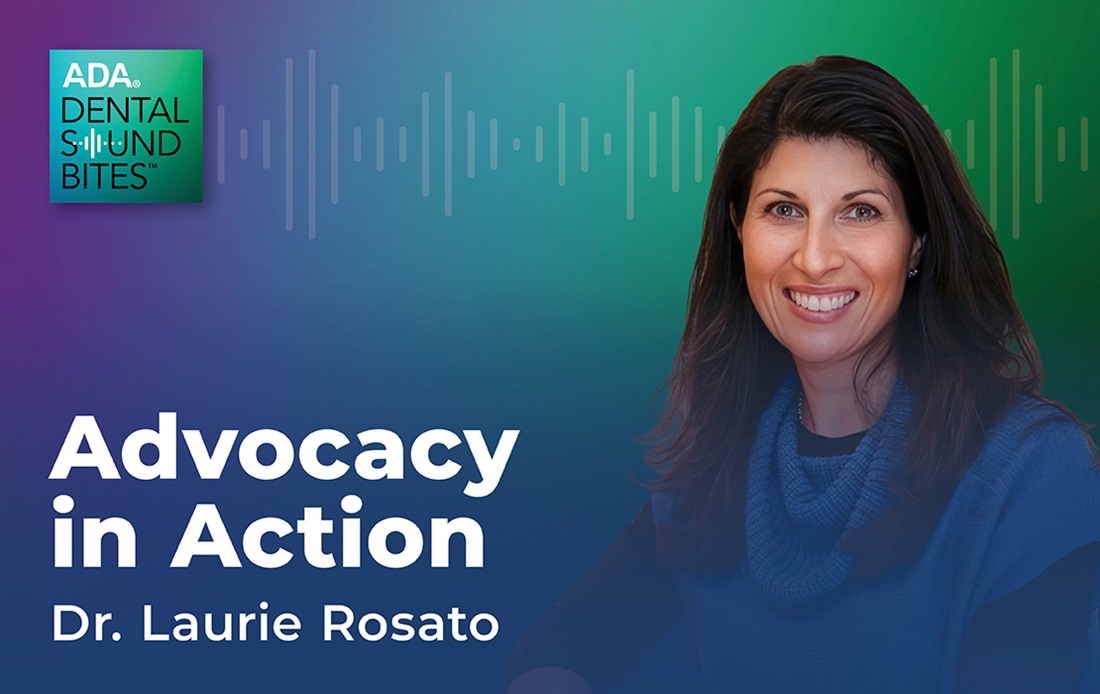
Advocacy in Action
Description: We’re taking a look into ADA advocacy: the wins, the hurdles, and the real behind‑the‑scenes work that is shaping oral health now.
Featured Guest: Dr. Laurie Rosato
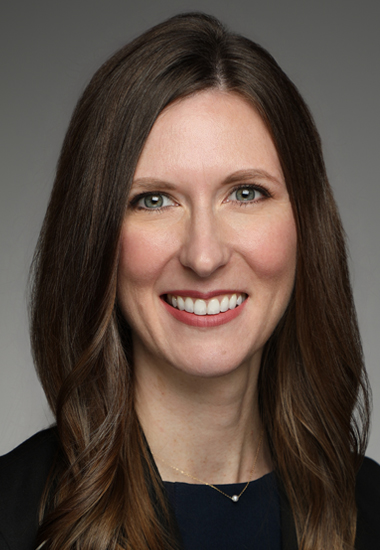
Special Guest: Dr. Sara Stuefen
“Advocacy is incredibly important. For us to do what we do every day, advocacy brings us right into our operatories, to the treatment that we're giving our patients. But what does it mean to be able to do that if we don't have everything in place that allows us to get it done? What if someone decided that somebody else knew better than us? And that's what advocacy is for, to keep our lawmakers informed of what we do, and how we have the best interests of our patients at heart.” — Dr. Laurie Rosato
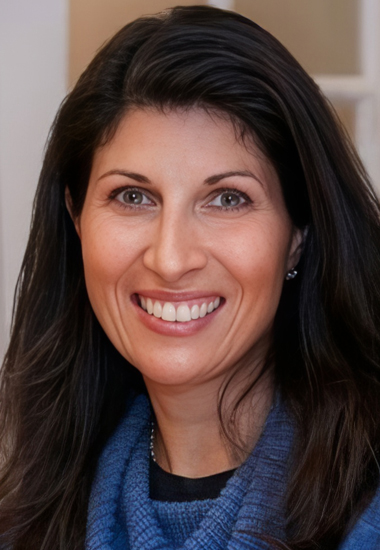
Dr. Laurie Rosato
Show Notes
Resources
[00:00:00] Wright: We're taking a closer look at advocacy at the ADA. I'm Dr. ArNelle Wright.
[00:00:04] Ioannidou: And I'm Dr. Effie Ioannidou. Today we are talking about the real-world impacts, the challenges, and the behind-the-scenes moments that are shaping oral health right now. I'm so excited. Let's get started. Let's do it.
[00:00:22] Announcer: From the American Dental Association, this is Dental Sound Bites created for dentists by dentists. Ready? Let's dive right into real talk on dentistry's daily wins and sticky situations.
[00:00:39] Wright: Well, hello, hello friends. We are talking about advocacy today, and y'all know that advocacy, it can feel like the long game, but we really wanna spotlight what the ADA is doing right now to move the needle every single day.
[00:00:53] Ioannidou: You are right on the money right now. We hear a lot of what the ADA doing about this or that. So we really, really wanted to talk about, all these issues and bring an expert, someone that really works on this, on advocacy to give us a peek behind the, the mystery of advocacy in the ADA. So behind the curtain, let's welcome our special guest today, Dr. Laurie Rosato.
[00:01:22] Wright: Dr. Rosato.
[00:01:23] Ioannidou: Yeah.
[00:01:23] Wright: Hello.
[00:01:24] Ioannidou: Hi, Laurie.
[00:01:25] Rosato: Hello, Dr. Effie and Dr. Wright. Good to see you both.
[00:01:29] Wright: It's so good to see you.
[00:01:30] Ioannidou: Good to see you too.
[00:01:31] Wright: We are so glad to have you on the Dental Sound Bites Podcast today. But before we jump into all of the things that we're gonna talk about regarding advocacy, can you please tell our listeners a little bit about you and your work with the ADA's Council on Government Affairs?
[00:01:47] Rosato: Sure. So I'm Laurie Rosato. I'm a practicing dentist in Concord, New Hampshire. I've been practicing here almost 30 years, and I've always loved being involved with advocacy. I've gone to our State House for well over a decade, and I've served on our Council on Government Affairs as chair for 10 years.
So visits to the State House are very familiar to me. And, recently I joined our Council on Government Affairs on the national level with the ADA. And there it's, you know, taken things to the next level essentially outside of the state level, but also filtering back down to the state level at the ADA.
You know, we work on the directions of Board of Trustees and the House of Delegates, but the Council on Government Affairs also comes up with its own directives, and we formulate a plan of action, and that plan of action then gets executed through our DC team, our Washington DC lobbying team which is a vast team of incredible experts as you're saying Dr. Wright, that you know that we're working on it every day. I feel like they're working on it, not just every day, but every minute they're, they're on calls, night and day. They're attending functions after hours, connecting with our congressional leaders, and making those important connections that we need so that when we are ready to have our asks in DC we have people that are listening.
[00:03:12] Wright: So Good.
[00:03:13] Ioannidou: I love this and I love your journey from the local state level to the national level. I mean, this is great but before we dive into it, and I have so many questions you feel let's just, just for our audience, let's clarify a bit, explain what advocacy is and what does it mean in the context of dentistry? Like why is it important in our oral health dental community?
[00:03:41] Rosato: Advocacy is incredibly important for us to do what we do every day. Advocacy brings us right into our operatories, to the treatment that we're giving our patients, not just in our operatories.
It could be in a school-based program and all kinds of realms that we have, uh, dentistry. And for us to be able to provide the excellent care in what we do, we need to be able to protect ourselves, right? We've had all this training, we have all this expertise. What, what does it mean to be able to do that if we don't have everything in place that allows us to get done?
You know, we, we advocate for things like fluoride and insurance reform. Yes, those are important, but what about things, right down to things like occlusion, TMD. What if someone decided that, that somebody else knew better than us? And that's what advocacy is for, to keep our lawmakers informed of what we do and how we have the best interests of our patients at heart.
[00:04:40] Wright: That's so good.
[00:04:41] Ioannidou: That's, that's really important.
[00:04:43] Wright: Yes. Okay. So when you were first introducing yourself to the podcast and all of the things, um, one of the things that you mentioned was that you've been doing this for a long time, like you've been, um, the chair for 10 years, right? Before we go further, uh, I feel like a lot of our questions, Dr. Effie, are going to be before we go on, before we do this, because we have so much just. This gets us excited.
Um, how did you decide that you would be on this side of dentistry? So you are a practicing dentist, but, um, I think there are so many things that you've said that that shows the importance of our role in this, but I wanna know how you got started on this side of dentistry.
[00:05:21] Rosato: I think I just always looked at it as, you know, you go to school all these years and you'll find this profession that you absolutely love.
[00:05:29] Wright: Mm-hmm.
[00:05:30] Rosato: How do I know that I can keep doing it the same way?
[00:05:33] Wright: Mm.
[00:05:34] Rosato: Right? I, I, even as a young dentist, I wondered, what is advocacy do? Do I need to, like, you know, there's extra box to check if I wanna pay for ADPAC?
What does this all mean? How does this. Come into play with what I do every day. I can still go and do everything I want. You know, as a dentist, I've got a license, I went to school for it. But as you, as time goes on and you see the things that go through the State House and you start to have the questions of, you know, why are they doing this?
Or why are they doing that? You start to realize, well, I can't just sit here and ask why I need to go there and tell them why. Tell them why I'm doing what I do so that they can know the real world situations that take place and the decisions that we make every day to make our patients' lives better.
So just that want to make sure that it's being done in a way that comes from the professionals.
[00:06:24] Wright: Yeah.
[00:06:25] Rosato: Drew me to the State house and, and the need to go there and testify for, for what we want as a profession.
[00:06:31] Wright: Yeah. And you know, um, I think that's a good segue into my next question, which is what are some common misconceptions that people have about advocacy that maybe, you know, you can take the opportunity to share?
And maybe if you wish that they had more things that they understood, what are those things that you know, you hear often that are misconceptions?
[00:06:50] Rosato: Probably the biggest misconception that I have that people ask about is what's taking so long? Like we want X done.
[00:06:57] Wright: That's a good.
[00:06:57] Rosato: We've been trying this for months.
It's been a year. Now. What's taking so long? And I used to have that same exact question. And until I got involved, I started to realize. Wow, I understand this. Now, what takes so long is, you know, we formulate something as a council on the CGA level, and then we take it to our lobbyists to say, here's what we want to get done.
Well, then our lobbyist then has to find a sponsor for that, a congressional sponsor, one of our congressional leaders that that sponsor may then have to find a co-sponsor. And then there has to be buy-in. They have to understand what we're saying 'cause they're not healthcare providers. So it takes time to explain it and possibly to reexplain it and then when they go behind closed doors, they may not be a healthcare provider there and they may table the discussion 'cause they want further information and this, and it can drag things on for, for a length of time. But what I've learned in all of my years doing this is persistence matters.
Making connections matters. And it may take time, but the job can get done.
[00:08:00] Wright: Yeah. So good.
[00:08:02] Ioannidou: And given the fact that the national level advocacy is so complex, can you set a moment or um, a, a memory when you really realize that Oh. My action, my, you know, advocacy initiatives, uh, things that I'm involved in, they really made a difference.
And is there any story about a colleague, your personal story, or a patient that had, um, was impacted by a policy change, uh, directly.
[00:08:30] Rosato: Well, I can tell you here in my district of, of the New England States, um, we had in Massachusetts, they designed the, uh, a bill, the MLR bill that's kind of traveled throughout the country.
And I think what was one of the neatest things about that bill is we talk about a grassroots effort, but we kind of joke about it because we literally had signs on people's grass. To get this bill passed.
[00:08:54] Ioannidou: Wow.
[00:08:55] Rosato: Because we approached it through a patient's perspective. We got the patients involved so that we could take it to a vote at the state level.
When I say we, I mean the Massachusetts delegation, they worked really hard on this and. Just from that one little thing that took place in Massachusetts, this went throughout the country and it created a rhythm that took place and it's still going throughout the country, and it became very, very impactful.
And that's gonna impact not just every patient, but every practitioner or every institution.
[00:09:28] Ioannidou: It tell us that if, when we use the patient voice. We can be really very impactful, right?
[00:09:34] Wright: Mm-hmm.
[00:09:36] Rosato: Absolutely. And, and you know what went along with that was, you know, we had insurance companies saying, Hey, if you're gonna do this, this is gonna create higher deductibles.
But we were, but we had a layer put into the bill in Massachusetts, the designer of the bill. In that bill, he designed it to say that premiums cannot be raised. Love that.
The deductible cannot be increased. So there we are here. There we were getting right down to the writing of the bill and the details involved all coming from a dentist.
I not relying on the lawmakers to always, you know, be the ones to protect us. It came from a dentist.
[00:10:14] Ioannidou: Yeah. That's great.
[00:10:16] Rosato: Yeah,
[00:10:16] Wright: it really is, so I actually have something about, you know, pivoting a little bit back to the ADA too is. A lot of us, we kind of feel like advocacy is one of those things that we just don't understand its abstract.
Can you share for our audience what the ADA is like, what advocacy work the ADA is doing right now and how the ADA's advocacy work actually translates into real world changes for dentists, students and the patients. I think you alluded to a little bit of it just then, but I would love for, you know, to use to go into a little bit more details about how that's happening on the national level.
[00:10:56] Rosato: You know, I look at it like, it's almost like an eagle looming above watching really. That's how I see our ADA advocacy team. They have connections with CMS, the FDA, the CDC. The, you know, the EPA, OSHA, they've got connections everywhere and they speak with these connections regularly.
[00:11:17] Wright: Okay.
[00:11:18] Rosato: For example, uh, we introduced, uh, two bills this year.
One was the, within the big though, as everyone's heard, the big one, big beautiful bill, the pass-through entity tax.
[00:11:31] Wright: Yeah.
[00:11:32] Rosato: Now, if the ADA was not on guard, and if they were not that eagle watching. We would not have seen this because the Lawyer Society or the Accountant Society, they did not see this. It was the ADA that found this. Our Washington DC team found that.
And what happened was that they stopped a one to 5% increase. It also included 20% small business income deduction and in that bill as well, I think there's a, they're restoring a hundred percent bonus income deduction. There's so many depreciation, actually, there's so many layers to it.
There's a 40,000 individual state and local tax, deduction as well. There's, there's so much there. And that was all from the ADA, because we've got this, so like what I call the eagle watching from above. And like I said, they're doing it day and night. We have an incredibly active team in Washington, DC.
[00:12:28] Wright: Mm.
[00:12:30] Rosato: You know, over the last two years, our congressional cycle ends at the end of 2026 and in the last two years, we have actually introduced or supported over 26 bills. We're gonna have a link so people can read through those. I think it's important for everybody to be able to see all of these actions that have taken place.
[00:12:50] Ioannidou: It's massive. 26 bills. Oh my God.
[00:12:53] Wright: I know,
[00:12:54] Rosato: right?
[00:12:55] Wright: Hard to believe.
[00:12:56] Rosato: Yep. Like I said, they are working day and night.
[00:12:58] Ioannidou: For sure.
[00:12:59] Wright: Oh my gosh. See, so these are some of the things that people just would not know is happening unless A, you're involved in it and B, you know, if you're listening to this podcast. So thank you so much for sharing that with everyone.
[00:13:12] Ioannidou: Absolutely. How difficult is it as you speak about that? Yeah, I understand how important it is, as you said, to have connections at the national level in leadership, but also how difficult is it to stay apolitical?
[00:13:31] Rosato: It's, it's critical, first of all, to stay apolitical. Yeah. What we do for our patients is completely apolitical.
I don't think we find it difficult to stay apolitical because if you have your patients care at heart. That propagates it. Things to just be for the best of every patient.
[00:13:49] Ioannidou: I find that there are some sensitive issues, as you mentioned. You mentioned fluoride, for example, right. That, uh, right. Nowadays, the only, the, the, the, using the term fluoride could potentially become a political term.
[00:14:01] Rosato: I see what you mean.
[00:14:02] Wright: It has become,
[00:14:04] Ioannidou: it has become, yeah. Speaking about vaccines, this has become a political issue too.
[00:14:11] Wright: Yeah.
[00:14:12] Ioannidou: The entire idea of science has become political. So, and I've been to DC as you, you have probably been many more times than I have, but I find it frequently, you feel like you really, uh, walk, uh, a fine line.
[00:14:30] Rosato: I see what you're saying with that. I think the most important thing to always remember is if you're bringing something that's gonna improve the care of everyone. Sensibility will always prevail as difficult as it might seem, you stick to the what's best for everybody, the best of healthcare, the, whether it's healthcare, mental care anything that we bring to the table.
If you stick to what is best for everybody, you know, they likely had the issue with it. Are they listening to science? Well tell the real-world stories that doesn't just relate to science. When I went to the State House in New Hampshire and I was speaking about fluoride, I mentioned to them most of the lawmakers that I was speaking to were well over the age of 60.
And I said, you know, you guys probably all have someone in this room has root canal implants, extractions. Do you want this for your grandchildren? You don't want that for your grandchildren. That's why fluoride's important. So I completely remove politics out of it. And I don't listen to the rhetoric of the politics, just speak from the heart.
And that always has prevailed. It may take a while, but again, I go back to the, what I said earlier, persistence. And they will eventually listen. They will come to the terms of what we're seeing.
[00:15:49] Ioannidou: Yeah. No, this is very optimistic. I like what you're saying. Uh, and I hope it's true.
[00:15:54] Rosato: I think it will be.
[00:15:55] Ioannidou: No, I know it will be.
I, I think you definitely, I think you definitely speak your truth, but I hope it be, it, it's become, it, be it proves to be true.
[00:16:03] Rosato: Right.
[00:16:04] Ioannidou: Uh, you know. So, then the, then the insurance reform. Where are we with this, where, I mean, I know that it's a main concern and I know that there are a lot of, uh, actions on this.
Right. Uh, what are the latest developments? Any, any news that you bring with you?
[00:16:23] Rosato: Well, dental insurance reform remains an ADA top priority. I don't think we'll let that go until we know our, our, our patients are getting the best of what they deserve. We know that states are passing dental insurance reform bills and discovering recently that they're not enforceable because nearly half of all covered patients in terms of insurance, half of these covered patients were struggling with issues because of the ERISA preemption.
Okay, so the ADA is actually currently this year, and we'll be bringing this forward at Lobby Day as well. We're working on two federal bills to address the problem. The first is the Improving Dental Administration Act. If, I don't know if you've heard of this, IDA Act, it's gonna extend. State insurance law protections to patients receiving their coverage through a plan that is self-funded by an employer.
Essentially, if enacted, this would require that the state insurance laws that apply to fully insured dental plans also apply to self-funded dental coverage, and that will close this ERISA preemption loophole and one of our own dentist members Representative, van Drew will be leading this effort for the house, and I think they're still looking for someone else on to represent on the Senate side or on the Democratic Co have a Democratic colleague.
Um, also on that insurance note, we're working on the waiving applicable interference for viable ERISA reform. It's called the Waiver Act, essentially, and this is gonna allow states to petition to the federal, um, government through the Department of Labor for a waiver. From the ERISA preemption. So again, a lot of layers, a lot of processes, a lot of connections that we have to make.
Um, which is why during Lobby Day we're going to have every state go and meet, meet with their own leaders as well as our, our lobbying team. In DC continuing that with the leaders that are more tied to healthcare in other areas and insurance, um, to make those connections. But that's, those are our two most active things right now that we've been working very well on.
[00:18:27] Ioannidou: These are a lot of things already, right?
[00:18:30] Wright: I know. It's a lot. Yeah.
[00:18:33] Ioannidou: It's a lot.
[00:18:34] Wright: We also have a few, um, developments that we'd like to learn or hear from Dr. Sara Stuefen. So, um, we would love to just take a moment to hear some of those, uh, developments that Dr. Stuefen is going to share with us regarding insurance reform while we're on the topic.
[00:18:51] Stuefen: Hi everyone. My name is Dr. Sara Stuefen, and I am a general dentist in Iowa. I'm also the District 10 trustee for the American Dental Association. I'm so happy to be back to give you an update on what the ADA's been working on for dental insurance reform. One of the biggest misconceptions about state insurance regulation is that every single plan has to follow state laws.
There's a little issue with that. There's something called ERISA. It's the Employee Retirement Income Security Act, and that was initially created to protect employees to make sure that their retirement benefits like pensions and 401(K)s were properly funded. But that's expanded over time and it applies to health benefit plans and dental benefit plans through these employers as well.
Why is that an issue? We wanna make sure people are protected, but there's something called preemption. Preemption is where, uh, federal law supersedes state law, and this is where it gets tricky. Third party administrators that help with dental benefit plans are using ERISA and claiming preemption, saying that this federal law supersedes any state insurance regulations.
We have an issue with that. State insurance regulations. Were passed to protect our patients and protect dentists and make sure that everybody is treated fairly and consistently. ERISA has created a loophole and it's time for us to take care of that. So we're working with Congress to close that loophole and make sure that ERISA plans, self-funded plans, have to follow state insurance regulations just like the others.
We're so excited to announce that this has been introduced at the US House of Representatives, and it's called the Improving Dental Administration Act. This will close that loophole. And require insurance plans, whether they're self-funded or fully funded to. Follow state insurance regulations. Again, those regulations have been passed to protect our patients, their consumers, and to protect dental offices, and we think it's time that every plan is treated the same and is treated consistently.
I encourage you to stay up to date by following the ADA Grassroots Advocacy Network and also watching what your states are doing on insurance reform. Thanks so much for having me. I look forward to giving you more updates in the future.
[00:21:38] Ioannidou: Thank you Dr. Stuefen.
[00:21:40] Wright: It's always so good to hear from Dr. Stuefen.
[00:21:42] Ioannidou: I know.
[00:21:43] Wright: Yes. So I'm, I feel like I'm always learning something on insurance reform and just insurance period. Um, so I think it was really good for her to share about the loophole and how the ADA is tackling that for us.
[00:21:56] Rosato: She summed it up really well. That was excellent.
[00:21:59] Wright: Right.
[00:22:00] Ioannidou: Complicated, but excellent.
[00:22:02] Wright: I know, right?
[00:22:04] Rosato: It is. It's complicated at times, right.
[00:22:07] Wright: But you know what, that's why we have experts, you know, doing this. And I also think something that I was thinking about as she was speaking was, it's so good to have, um, people who have been doing it for a while to kind of carry that torch and then like to teach and share, um, you know, with newer dentists like me, who we.
I'll easily just have no idea, you know, and we don't feel like some of these things necessarily affect us or, um, we just don't feel them directly, but they are impacting us. So, um, we just thank all of y'all for your efforts.
[00:22:38] Rosato: That's so kind of you.
[00:22:40] Ioannidou: We will be right back.
[00:22:43] Announcer Ad 1: Did you know that ADA members are making a big impact on dentistry?
Together we are fighting for community water fluoridation, advocating to improve access to care, pushing for dental insurance reform, working to ease the student debt burden and driving workforce improvements. But we can't do it without you. Our unified voice is critical in driving real change. Help us advance the future of dentistry by renewing your membership for 2026 at ADA.org/Renew or by becoming a member at ADA.org/Join.
Announcer Ad 2: Your ADA membership opens doors to everything you need to thrive in dentistry. From exclusive savings and career resources to cutting edge clinical tools and advocacy that shapes the future of the profession. ADA is here for every stage of your journey.
Explore wellness programs, continuing education and solutions that simplify your practice. All designed to help you succeed. Discover your benefits today at ADA.org/MemberBenefits.
[00:23:58] Ioannidou: Welcome back to Dental Sound Bites. Today we are taking a closer look at advocacy at the ADA, with Dr. Laurie Rosato.
[00:24:07] Wright: I do have another question for you.
Can you tell us the efforts that are being made to strengthen workforce, um, strengthen research? And you can include access to care in there. I'm sure some people are interested in those.
[00:24:20] Rosato: Yeah, I'll try to touch on all of those things, so, yeah. Yeah. Through our advocacy efforts, you know, and this is actually.
Really good to hear because we hear about all these cuts being made right now in Washington DC and it can sound so depressing when you watch the news or you know, you go to, uh, different functions and you hear about them. But you know, there are some great things happening. So I have some really good news, I guess.
Yeah. Um, but through our advocacy efforts and other, um, coalitions that we work with, there's been a $1 million increase in HRSA. Which is the health resources, uh, and services administration, administration, oral health workforce programs. Um, so it, it brings it to a total funding of over 40 million. I think it's around $43 million.
Um, on the research end of things, we've had a $5 million increase, uh, for the National Institute of Dental and craniofacial research. So the funding's up over 500 million now. Um, I think there's a couple more million dollars also of an increase in the Department of Defense, um, military dental research.
So there, that's helped them as well. So there are some incredible increases that are gonna make a big, big difference. In terms of workforce, it's a big one. Boy. I mean, I think we're all feeling, yeah, we're all feeling that stress. I mean, the ADA and actually Delta Dental as well, uh, did the numbers and they, we are finding right now that there are about 190,000, um, hygienists.
Uh, practicing to over 220,000 dentists. So just those numbers alone show us that we have a tremendous hygiene shortage, which is why, uh, at the House of Delegates last October, you know, we put forth a resolutions for dental students and foreign trained dentists to be able to practice dental hygiene. Of course.
Bypassing the hygiene exam and going through the, you know, the, the proper channels, um, because we have to reinvent some part of the workforce models to make the, make patients be able to get the care they need. We continuously talk about driving up utilization, but we can't just drive the utilization up and not have the providers to do the care.
So for if we want utilization to go up. We've gotta figure out the workforce issues. And by allowing dental students to, uh, practice dental hygiene while in dental school or while they're waiting to take their boards, they can practice dental hygiene, uh, and also foreign trained dentists. This is gonna make a, a difference.
It's, it's a dent. It's not the, you know. Full solution, but it's one area that we're gonna make improvements with. But this comes down to the state levels. Don't forget, you know, we, we can want this and we can get this put through, but the, the states have to put it through, you know, every state board has to buy into this.
And again, that takes the advocacy to happen at the state level.
[00:27:11] Ioannidou: Wow. Yeah, it's, and it's so complicated because foreign trained dentists now, I mean, we used to have a significant, uh, number of foreign trained dentists immigrate into this country, but I don't think that the numbers will keep up because, you know, there are also immigration restrictions now.
[00:27:27] Rosato: Right.
[00:27:28] Ioannidou: So, uh, that's a great idea for them to start a transition here in the U.S. Obviously not a career goal, but, but you know, I hear you, but I wonder how. Uh, there are so many challenges.
[00:27:42] Rosato: Yep. Yeah. Yeah.
[00:27:44] Ioannidou: Right.
[00:27:44] Rosato: But we we're gonna take it one step at a time.
[00:27:46] Ioannidou: Yeah.
[00:27:47] Rosato: And, uh, you know, that that's what the ADA is there for, to, to do the research, to find the numbers, so that when we bring this forward to the board, the people in the state boards, we can show them these numbers and then things make more sense when you bring the data to them.
[00:28:02] Ioannidou: Yeah, no, for sure. And, and it's really important that all these numbers that you mentioned and the improvements in funding, uh, you know, limited improvement in funding because it seems like there. The, the money is not, uh, really available for NI eight. The 5 million for NIH is great. I mean, it's a great achievement, but really, I mean, 5 million is like two out ones.
Not a big, not a big, big deal.
[00:28:28] Rosato: Yeah.
[00:28:28] Ioannidou: Right,
[00:28:29] Rosato: right.
[00:28:29] Ioannidou: So, but, but it's better than nothing, I guess. Right. We're gonna
[00:28:33] Rosato: take those small wins when we have them. Yes.
[00:28:35] Ioannidou: Yes.
[00:28:35] Rosato: Because as long as we at least have small wins, we'll get the bigger wins eventually.
[00:28:39] Ioannidou: Yes. Let's, let's hope for this for sure. But there, there is no doubt that these actions are to the right direction for a hundred percent.
And, and, and as you said, the, the, the, those results prove the collaboration that you guys have established with the, the ADA has established with the stakeholders and, and you know, it, it takes a village. Yeah. It's not that easy. And, and to this point. Speak a little bit about these partners, uh, who we partner with and, and, and how do we do this?
[00:29:12] Rosato: So we have, we have several partners that we work with. We have the Organized Dentistry Coalition, the Coalition for Public Health Funding, um, the Health Professions and Nursing, um, education Coalition. The, there's the All in Wellbeing for First for Healthcare. There. There's so many partners. There's so many that.
Um, some of these names before I joined the Council on Government Affairs I hadn't even heard of, but as I joined it and heard who our DC team was working with, they're making every contact possible and, um, bringing those contacts to the forefront so that on the local and state level, people can know about them and hopefully make more and more contacts through the states to help build this.
Mm,
[00:29:58] Ioannidou: absolutely. This is really very important. For sure. and I'm sure you, you, uh, the ADA is still partnering with IDEA, right? The American Dental Education Association, which is really, it's a great partnership to, uh, as we build the, the future workforce.
[00:30:18] Wright: Oh, yeah.
[00:30:18] Ioannidou: That's really great.
[00:30:20] Wright: Quick segue, uh, Laurie, I have a quick question about. How dentists play a role in, um, some of these, you know, policy matters. I think earlier, earlier in our conversation, we talked about the importance of dentists, you know, informing our legislators. But can you share, um, how important it is to have a dentist advise on these policy matters?
Um, maybe just as it relates to the future of our oral health as a country? And then you can share about, you know, how it. How having a dentist advise, um, for, you know, federal government, just, you know, talk a little bit about that, um, and the impact of that.
[00:31:01] Rosato: Absolutely. Well, as many of us know right now, HHS is currently without a Chief Dental Officer.
[00:31:09] Wright: Hmm.
[00:31:09] Rosato: Which. It's kind of frightening when you think about it because lacking when Congress lacks that expertise leadership position, it leaves programs and it can leave our profession with unintended consequences, not because. People meant anything different. But if you don't have someone at the table explaining things at that level, we're missing out.
Um, we can have funding delays, we can have stalls on long-term planning, um, stalls on innovation, all from not having that chief dental officer in that position. So we need to advocate heavily for this. Um, we are definitely missing out by not having this position.
[00:31:51] Wright: Do you know how, um, that position gets filled and it, it's okay if, if not, I, I, I just kind of wanna know for my own personal, you know, knowledge.
[00:32:01] Rosato: You know, I, I, it's, it's an appointment. Oh, okay. I do know that. Um, and I don't know, like. What channels that happens through. But I do know our DC team is talking to several of the, uh, leaders,
[00:32:13] Wright: okay.
[00:32:14] Rosato: To hopefully get it filled, get this done. And, and yeah.
[00:32:17] Wright: And that's actually where I was gonna say is, is from, from, um, I guess from our perspective as Dennis, are we the ones that are saying, Hey, we really need.
This position filled because of X, Y, and Z. And, and you just answered that saying like, our DC team is really making that happen.
[00:32:32] Rosato: We have, yeah, they are. Perfect. Perfect. Yeah, they're pushing for it. And I know, um, from the ADA leadership standpoint as well. Oh, they are pushing for it. I know last year, um, Dr.
Kessler and my, my husband, Dr. Rich Rosato, both actually went to the White House, um, to discuss topics such as this. And so that is still being, those conversations are still happening.
[00:32:54] Wright: Yeah. And pardon my ignorance, I don't know why I didn't know that, but, you know.
[00:32:57] Rosato: Yeah. No, no. But it, that's why we're here tonight.
This is, that's why importance of, of podcasts like this.
[00:33:03] Ioannidou: It's exactly right.
[00:33:04] Rosato: Yeah.
[00:33:04] Ioannidou: Absolutely. And it's a difficult, uh, you know, there are so many different positions. You're absolutely right about the Chief Dental Officer at CMS, but also the director of NIDCR, it's another pending position. We are functioning in research and innovation with it.
Um, acting director. Right. Uh, and it seems to me as 15 other director positions are open to be filled, the NIDCR position doesn't seem to be the priority in filling. So, um, it, it seems to be a trend of, uh, you know. Putting oral health in a little bit secondary to, um, to the rest. So yeah, this makes me worry for sure.
[00:33:45] Rosato: I think we're all worried about that and I think that there's a lot of restructuring going on and, and, you know, we've been told to wait patiently, but it, but it's hard to sit back because we know that. Um, we know what needs to be done and we see the workforce issues and the other things happening. So while we, we won't sit back, we'll continue to push and we'll continue to make our voice heard.
[00:34:05] Wright: I love that.
[00:34:06] Rosato: Let's make our voice heard.
[00:34:08] Wright: Make a splash.
[00:34:09] Ioannidou: Do it.
[00:34:09] Rosato: There you go.
[00:34:11] Announcer: On the next Dental Sound Bites.
[00:34:13] Wright: Today we're hearing your real-world dental dilemmas and searching for the right call.
[00:34:18] Roth: The three things that I like to tell my students when we're having that moment or when you have that ethical dilemma.
The first thing you do is pause.
[00:34:26] Lehmann: How do we handle our after-hours emergencies?
[00:34:30] McKenzie: My sticky situation is obtaining consent from adults with special healthcare needs.
[00:34:36] Attiq: One time I was taking a tooth out on a patient, and the patient was extremely nervous.
[00:34:41] Ioannidou: Nobody teaches you how to ask the sensitive questions. Yes.
This has been such a good conversation. I'm so glad that we had you on the podcast today. Um, before we let you go, is there anything that you'd like to share with our community that we haven't asked or that we didn't get to cover? Um, so far in the conversation.
[00:35:03] Rosato: You know, I probably to. Biggest thing I could say is, you know, sometimes dentists, you know, we're so busy in our offices, we're working on our patients, you know, on a daily basis and they, they may not realize how much of a difference they can make in what they do and speaking up and having a voice and going to events where, where our voice needed.
Because the, probably the thing I want to close with, um, tonight is to just say to, to every dentist is to remember things can change. Really for anything, but we're talking about dentistry, so things can change for dentistry with the swipe of a pen. Also takes this one signature on one bill. Then the affirmation and confirmation to happen and things can change for us.
So our voice at every level, whether it's speaking at a local level, at a local situation that you're attending, or a state-level or a national level, we have to be present and to never think that one conversation isn't gonna make a difference. 'cause those smaller conversations sometimes are what make the biggest difference.
[00:36:10] Wright: Thank you.
[00:36:12] Ioannidou: That's such a nice statement. I love it.
[00:36:14] Wright: Yeah. Thank you so much.
[00:36:17] Rosato: Thank you guys. I appreciate this.
[00:36:20] Ioannidou: Thank you so much, Laurie. Thank you for being with us. This was a great discussion. For sure. It was really nice. And, uh, no, I, I, I love the conversation and I think it's a great update for us and our listeners.
[00:36:36] Wright: Yeah.
[00:36:37] Ioannidou: So a reminder that we will have all the resources and all this information, this great information mentioned in the episode linked in the, show notes on ADA.org/Podcast.
[00:36:50] Wright: And if you like this episode, please share it with a friend, then be sure to follow us on ADA social channels and hit subscribe wherever you listen, so you never miss an episode.
[00:37:00] Ioannidou: Subscribe.
[00:37:02] Wright: Yay.
[00:37:02] Ioannidou: You can also rate the episode or write a review. It helps more people find our show, so please do it. Yeah, do it.
[00:37:09] Wright: Thanks again for being here, Laurie.
[00:37:11] Rosato: Thank you both. Yes,
[00:37:12] Ioannidou: this was great. Thank you, Laurie. Bye.
[00:37:16] Announcer: Thank you for joining us. Dental Sound Bites is an American Dental Association podcast. You can also find this show resources and more on the ADA Member App and online at ADA.org/Podcast.
The views and opinions expressed in this program are those of the speakers and do not necessarily reflect the views or positions of the American Dental Association.