






You can also listen on the ADA Member App and enjoy bonus content.
The heart & oral health link, and what oral health can tell us about overall health.
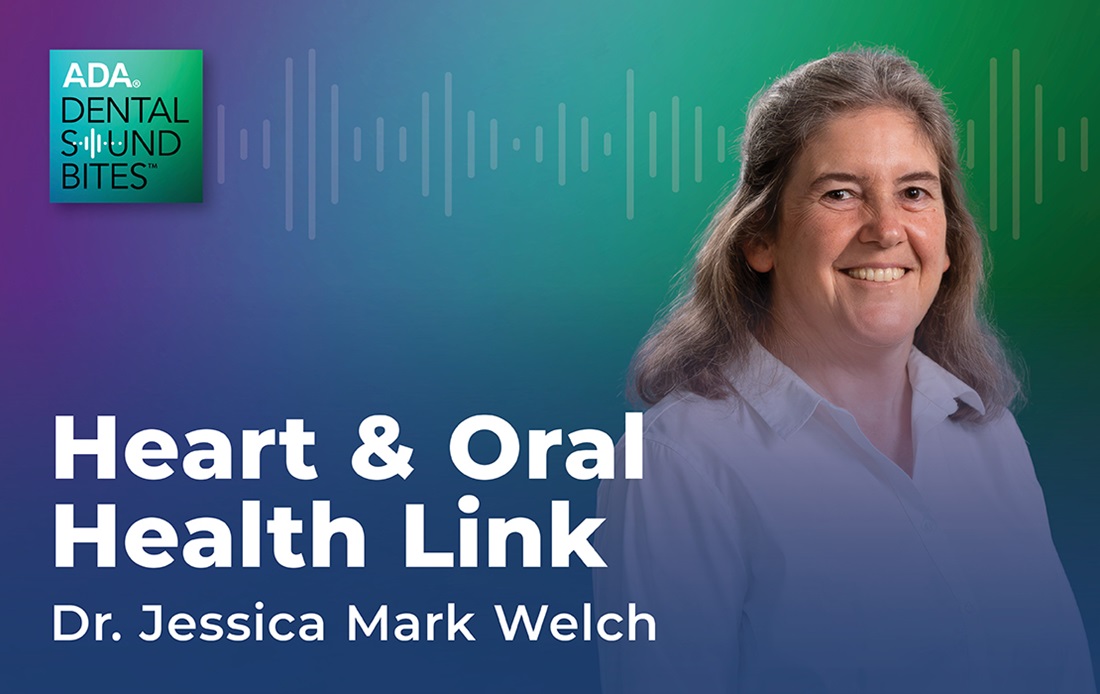
Heart & Oral Health Link
Description: We’re talking about the fascinating link between the mouth and the heart, and how tiny microbes play a big role. Tune to find out what oral health can tell us about overall health.
Special Guest: Dr. Jessica Mark Welch
“We should be helping people to think about the bacteria in their mouth not as always the enemy, not as something that you always want to be just wiping out. These bacteria are more, sort of, a part of your normal physiology, you have to keep them in balance.” — Dr. Jessica Mark Welch
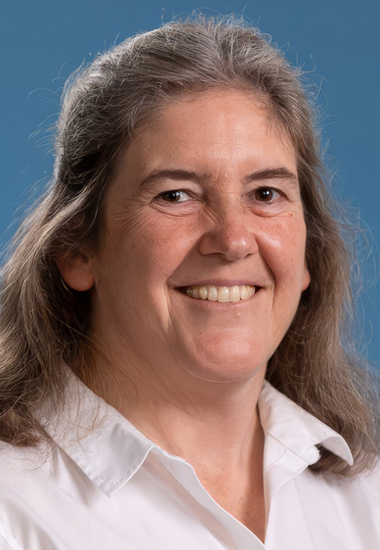
Dr. Mark Welch
Show Notes
Resources
[00:00:00] Ioannidou: There is amazing research happening right now showing how oral health is part of the overall health. Hello everybody. I'm Dr. Effie Ioannidou.
[00:00:09] Wright: Hey. Hey everyone. And I'm Dr. ArNelle Wright. Today we are going to be talking about the fascinating link between the mouth and the heart and how tiny microbes play a big role in the conversation.
So let's get started.
[00:00:26] Announcer: From the American Dental Association, this is Dental Sound Bites created for dentists by dentists. Ready? Let's dive right into real talk on dentistry's daily wins and sticky situations.
[00:00:42] Ioannidou: Hey friends. Hey friends. Today we are talking science. Yay. Mm-hmm. I'm so excited, so excited. Aren't you ArNelle?
[00:00:50] Wright: Yeah. This is your topic, though. I'm super excited for it.
[00:00:52] Ioannidou: I don’t know if it's my, I think it's everybody's topic.
[00:00:55] Wright: Very true. Yeah.
[00:00:56] Ioannidou: I think we, you know, I think it's really important nowadays to be able to speak science.
In a lay language that everybody understands. You know, the public understands our practicing to understand, understand better because, you know, it's. Good to remind them of their first two years in dental school. Right?
[00:01:13] Wright: True.
[00:01:14] Ioannidou: The foundational work that they did, and all of us have this background, so I think it's really important to start this conversation. So I'm so super excited.
[00:01:21] Wright: I'm pumped that we're doing it too. And speaking of those first two years of dental school, that's when we learned all that. We all know what happens in the mouth and how that can affect our overall health. So today we are super excited to talk with a senior scientist at. ADA's Forsyth Institute about the work that's happening in oral microbiome research.
[00:01:42] Ioannidou: So let's welcome, Dr. Jessica Mark Welch. Hi Jessica.
[00:01:50] Mark Welch: Hello.
[00:01:51] Ioannidou: We are all doctors here, so I think we can keep discussing using first names right? First names. Let's be friends. Let's be friends.
Yes, we're friends. We are so excited having you.
[00:02:01] Mark Welch: Absolutely. It's great to talk to you today.
[00:02:04] Wright: We're super excited. Can you tell our listeners a little bit about yourself and some of the amazing work that you're doing?
[00:02:10] Mark Welch: Sure. Um, so I am a biologist. I, uh, really in school I was interested in evolution and ecology. I did a lot of really basic science. Uh, I was. Trained in my PhD in molecular genetics, really trying to understand actually why recombination happens in animals, why recombination has been maintained throughout evolution.
So I was working on that in my postdoc, but the people around me were working on bacteria. Mm. And what they were doing seemed so interesting that I just got sucked in. I couldn't help but study, start studying bacteria because there's so much interesting work going on right now, learning about all the different kinds of bacteria that live in the soil, in the ocean, and in the human body, and all kinds of bacteria that we didn't even know were there.
20 years ago, you know, using molecular methods, using DNA, we've found that there are a whole lot of bacteria there that we didn't know about, and we're only just now figuring out what they're doing. So it's just the most fascinating place to be. So I couldn't help but jump in.
[00:03:16] Wright: So glad you did
[00:03:17] Ioannidou: Jumping into the unknown, right?
Yeah. And you trained at Harvard, correct?
[00:03:21] Mark Welch: Yes. Yeah, I did my, uh, my undergraduate and my PhD at Harvard.
[00:03:25] Ioannidou: And then after graduation, did you directly move to Forsyth or how did this connection happen in your career?
[00:03:32] Mark Welch: Yeah, so after, after my PhD. I went straight to the Marine Biological Laboratory in Woods Hole.
[00:03:39] Ioannidou: Oh, cool.
[00:03:40] Mark Welch: Yeah. And uh, yeah, so there was all sorts of really interesting basic biology going on at the Marine Biological Laboratory, including a lot of microscopy. Um, most of it directed toward understanding cell biology, really basic, uh, biological processes. And I started working on using these advanced, um, microscopy techniques to study the spatial organization and spatial structure of bacterial communities.
And we looked at bacteria in the ocean. We looked at bacteria in the gut, but the most interesting bacterial communities were in the human mouth. We just haven't found anything anywhere yet that looks as interesting as, as spatially structured, um, as what we see on your teeth and on your tongue. And in these various other habitats in your mouth.
So it's a really fascinating study site really, for me.
[00:04:30] Wright: Dentistry is cool. Everybody I think you should know.
[00:04:33] Mark Welch: Yeah.
[00:04:33] Wright: Everybody listening.
[00:04:34] Ioannidou: It's so cool.
[00:04:35] Wright: You should know how cool dentistry is.
[00:04:37] Ioannidou: So cool.
[00:04:37] Mark Welch: Yeah, absolutely.
[00:04:38] Ioannidou: And sometimes so undervalued, right?
[00:04:40] Wright: Yes. Yeah.
[00:04:42] Mark Welch: Yes. No, for sure. So I was sitting there at the Marine Biological Laboratory studying the bacteria that grow in your teeth, you know, and, and eventually it just, it was sort of inevitable that I would, uh, I would go to work at The Forsyth, now the ADA Forsyth Institute.
[00:04:56] Wright: Yeah.
[00:04:56] Ioannidou: That's right. When did you move, uh, to Forsyth? Like what? Because there was the time of like every major microbiological experiment or discovery was happening there. It was the it place, and I mean, it still is, but at there was a moment that was like so historically significant for Forsyth.
[00:05:15] Mark Welch: Yeah, so much of the, the basic, the really important and interesting, uh, microbiological work in the mouth went on at the Forsyth. I only joined three and a half years ago, so I'm a total newcomer.
[00:05:26] Ioannidou: Oh, you're a newbie.
[00:05:27] Mark Welch: Absolutely. Yeah,
[00:05:28] Ioannidou: yeah,
[00:05:29] Mark Welch: yeah. Although I should say, I've been actually collaborating with people at the Forsyth for probably 15 years, so, yeah.
[00:05:35] Wright: Oh, that's awesome.
[00:05:35] Ioannidou: So tell us a little bit more that's an opportunity since we are speaking about Forsyth and, and now it's. The ADA Forsyth, tell us a little bit for our audience to understand this, the history of Forsyth, uh, you know, especially in relation to microbiology and, and what exactly is happening today at Forsyth, because I know a lot of great things are happening.
[00:05:55] Mark Welch: Yeah, yeah. It's super exciting. So, the Forsyth was founded more than a century ago, and originally it was to provide dental care for children in Boston who could not otherwise afford. Dental care. So it was really for the public benefit that it was, it was formed, but they soon discovered that they were treating the symptoms and not the root causes of oral disease, and they really realized that to understand the root causes, you need science, you need research.
So The Forsyth, turned itself in as well as an institution that continues to provide, uh, dental care, uh, and in, you know, including to the children of Boston. It also is, became a really leading research institute on, uh, oral health and now on, uh, new dental technologies as well and how you can, um, really developed new dental technologies with evidence-based research.
And then it integrated with the, uh, the American Dental Association in 2023. So it's now the research arm of the ADA.
[00:06:56] Ioannidou: That's right. Big things.
[00:06:59] Mark Welch: Yeah.
[00:06:59] Ioannidou: Big things that big name people.
[00:07:00] Mark Welch: Yes.
[00:07:01] Wright: Yeah. Mm-hmm. So, Jessica, I want to dive a little bit deeper into your recent work, which is the connection between heart health and oral health.
Can you tell us a little bit more about that connection?
[00:07:13] Mark Welch: Yeah, for sure. So. First, the sort of the basics of the oral microbiome. There are a couple hundred bacterial species in each of our mouths. Um, some of them very common, very abundant. Others more, more rare and sort of sporadic between people. It turns out that.
The bacteria that live on your teeth are almost entirely different from the bacteria that live on your tongue. They build these amazing structures, I like to call them little microbial apartment buildings that they build for themselves as a community on your teeth, that's dental plaque, and also on your tongue. That's the tongue biofilm.
So there are these really interesting communities that are unique to the human mouth. So they have evolved with us, and I think that's important. And it kind of gets to the, the next part of your question about what's the connection between oral health and overall health.
We all know that oral health, when it goes bad, you know, you can get caries, you can get periodontal disease, and that's obviously bad for your overall health just because of its impacts on quality of life, um, you know, on, on the way or whether you're able to eat a healthy diet, that kind of thing.
But we're also learning. What's really interesting is that the healthy, normal oral microbiome plays an important part in your normal metabolism, really. In fact, it plays an important part in regulating blood pressure. That happens through, really through diet. Uh, there's a nutrient called nitrite that we find in green leafy vegetables and celery and beets.
Um, and it, and it turns out that if you consume a diet that is rich in those healthy vegetables, it lowers your blood pressure, but not if you're using an antiseptic mouthwash. So you need the bacteria that are in your mouth to transform the nitrate in that healthy diet to nitrite. And then your body can take the nitrite and turn it into nitric oxide, and that dilates blood vessels, helps regulate blood pressure.
Also has a lot of other interesting effects in the body, including anti-inflammatory effects. So we seem to have basically delegated that really important property to our oral bacteria. How cool is that?
[00:09:38] Wright: So cool.
[00:09:39] Ioannidou: I think it's, it's amazing. It's, it's a really, it's really an important dimension that you're giving because most of the times when we, you know, as a periodontist by training, most of the times when we, um, study those, um, uh, associations between, uh, periodontal disease and systemic diseases, including cardiovascular, we take the path of inflammation, right?
Mm-hmm. The inflammatory pathway, which is. You, uh, a legit, uh, uh, you know, plausibility in disconnection a hundred percent. But I really like the nutritional dimension that you're giving this and the role that the bacteria plays. So I love it. That's, uh, I have an, so have you guys published this? Is it out?
Is it out and about?
[00:10:21] Mark Welch: Yeah. You know, that, that basic, uh, understanding is actually, it's the work of other people. It's not our work. So it's out there. Yeah. So the thing that we are doing that relates to it right now is we're trying to understand. All these different bacteria that are in the mouth and the structures that they build.
The fundamental question, why are there so many different kind? Why are there 200 different bacteria in your mouth? You know, why is there not just one that wins the, wins the contest and takes over? And, and that actually gets into a lot of interesting stuff about how bacteria work. Yeah. You know, they, they tend to, um, they have very small genomes.
There's only a certain sort of limited set of the, you know, biological functions, the, the metabolic functions that any one of them can carry out. And then they depend on their neighbors for the other functions. So bacteria tend to, you know, they, they leak metabolites and other bacteria take 'em up. And so, so they make these complex communities that depend on each other.
And what we're trying to understand is. How those communities work together, how we can encourage the health promoting communities to thrive. And specifically in this context of, of nitrite and blood pressure. It's, it's, so we know that this healthy diet encourages the well modulates blood pressure. It also tends to increase the numbers of the bacteria that are good at processing the nitrite for you.
But those bacteria depend on other bacteria. We need to understand when you consume a healthy diet, which of the bacteria expand, which don't? In people who don't have this, this. Beneficial blood pressure response to a nitrite. Why not? Is there something about the bacterial community that we can adjust?
So we're looking at, uh, we, we actually have, have recruited people to, um, drink beet juice twice a day. These poor people, and not only, not only beet juice, but also in, in one arm of the study, they get proper beet juice where they're going to get nitrite. It's going to have beneficial effects. In another arm of the study they get beet juice that has been depleted of the nitrite. So they have to drink beet juice, but they don't get the nitrite. These poor people.
[00:12:30] Ioannidou: And these are people that are, uh, people with high blood pressure or, uh, people with blood pressure within normal limits, or how do you assess the effect?
[00:12:38] Mark Welch: Healthy volunteers.
Healthy volunteers, healthy innocent volunteers who agree to join our study, uh, purely so that we could look at the, uh, which bacteria are responding to the nitrite. Okay. Basically, you know, and, and then look at the spatial organization of those bacteria. Is it, is it within these complicated structures that they build on your tongue and on your teeth?
Is it particular bacteria in particular locations that respond to the nitrite and process it for you? That's really the specific research question that we've got.
[00:13:06] Ioannidou: That's great. That's really interesting and that this, uh, you know, again, uh, uh, I, I don't want to expand more. Elle will hate me, but because of the periodontal, periodontal connection, uh, I wonder if these are, uh, bacteria, um, you know, associated with periodontitis or are you talking about gram-negative? Which, which bacteria are those? Like who do we know anything? Do we have a hint?
[00:13:29] Mark Welch: Yeah. Yeah. Actually we do know the, the bacteria that are capable of processing nitrite and that respond when, when you consume a lot of it, uh, Rothia on the tongue, some of the RIAs there, there's a variety of, of bacteria that can do it, but they are generally health associated.
[00:13:47] Ioannidou: Health associated, which is great.
[00:13:49] Mark Welch: Yeah.
[00:13:50] Ioannidou: And then it becomes relevant as to, you know, the $1 million question, how do you restore health?
[00:13:55] Mark Welch: Right, exactly. How do you restore health? And uh, yeah, and, and obviously there's an interaction between diet, diet and the microbiota. Um, and it's, it's very possible. So. It is the case that the, the periodontal mi, the, the, the microbiome that thrives when you have periodontitis is also not very good at processing the nitrite for you.
But if you, but the healthy microbiome seems to, um, not only have a, a role in regulating blood pressure, but also if you feed it, the, the nitrite that it needs, it produces nitrite and that tends to reduce inflammation. So there's feedback loops in really in both directions. Positive feedback and negative feedback.
[00:14:37] Ioannidou: This was exactly my next question, just to, to kind of, uh, uh, talk about the, you know, the implications of this part of re of your, uh, work on oral health. But it's clear what you're saying. It's like the, the, I my understanding is now, um, it's, uh, it's in so many aspects, right? The restoring health, promoting this bacteria and how this bacteria also can have a regulation on inflammation basically, right?
[00:15:05] Mark Welch: Yeah, absolutely. I would say that the, the, again, the, the bacteria plus proper diet probably tends to reduce inflammation. And then, and, and then by contrast, if you have the, the, uh, if you have periodontal disease, the bacteria that thrive under those conditions tend to promote inflammation. You know they're inflammatory.
[00:15:27] Ioannidou: That's right.
[00:15:28] Mark Welch: Yeah.
[00:15:29] Ioannidou: Darn bacteria.
[00:15:31] Mark Welch: Darn bacteria, right. So, so the whole key is we need to be able to modulate the community to. Get rid of and keep away the bacteria that are bad for you while allowing to prosper the bacteria that are good for you.
[00:15:48] Wright: That's the whole issue.
[00:15:49] Mark Welch: Yeah.
[00:15:50] Ioannidou: Sounds sounds easy, but it, it's, you know, again, the $1 million question.
[00:15:55] Wright: Takes years of research.
[00:15:57] Mark Welch: Right.
[00:15:57] Ioannidou: Yeah, exactly.
[00:15:58] Wright: Well, could you tell us what this could mean for how we approach our patients?
[00:16:02] Mark Welch: Yeah, so all this, all this stuff about. Bacteria and hundreds of bacteria and dietary nitrite. What does that mean for, for the people sitting in your dentist chair, um, and. I think really it means we should be helping people to think about the bacteria in their mouth.
Not as always the enemy, not as something that you always want to be just wiping out. Mm-hmm. But it's more, it's more a, they are more, these bacteria are more sort of a part of your normal physiology that you have to keep them, uh, you have to keep them in balance. Really with, with your microbiome, with, with your, your own body, um, and the way that you keep them in balance.
[00:16:47] Wright: I was just going to ask that.
Just going to say, well, wait, how do we do that? And how does like the average person know if they're in balance or not, you know?
[00:16:56] Mark Welch: Right, right, right. Yeah. Yeah. You know, and even, even if we were to, so, okay, so someday we will probably, when you come into the dentist's office, take a sample from your microbiome and tell you what it means and right now we can't do that very well.
[00:17:11] Ioannidou: I really like what you said. Someday, someday, someday over the rainbow. We might do this.
[00:17:19] Mark Welch: Exactly.
[00:17:20] Wright: I didn't know we were going to get a singing lesson or a singing a little show tonight. I love it.
[00:17:25] Mark Welch: Yeah. Yeah. Okay. So some bacteria we already know are, you know, associated with disease, others are associated with health.
There's a whole bunch in the middle and we don't really know. Um, so what do you do? Okay, well of course you brush and you floss, right?
[00:17:38] Wright: Number one and number two.
[00:17:39] Mark Welch: You know you need Yeah, yeah. You need to. Keep the bacterial numbers down and keep them away from your gums so they don't cause inflammation.
Right. Um, it may well be okay, there's one study and we should do more studies, you know, but, but from that one study, it seems, uh, likely that, uh, cleaning your tongue is a good thing because from my perspective, it's a good thing because it tends to shift the community toward the ones that are doing the beneficial stuff.
Okay. For you. So scraping the tongue is a good thing. Um, chemical warfare probably not a good thing, you know, by which I mean, uh, uh, frequent use of frequent and continual use of antiseptic uh, mouthwash is, is probably not a good thing because it prevents the bacteria from doing this, this transformation of nitrate that you really want them to be doing.
[00:18:40] Wright: I love the chemical warfare. I have not heard the use of that phrase. I'm going to definitely borrow that.
[00:18:47] Ioannidou: I love it. Yes, yes.
[00:18:48] Mark Welch: Yeah. No, exactly. So we want to work with the bacteria. And actually, the other thing that they need, uh, sadly, is a nice healthful diet. You know, lots of fruits and vegetables, and especially green leafy vegetables and beets and celery, that kind of thing, that, that provides the bacteria with the nutrients that they need.
What's interesting about that, so this, this nitrite rich diet that we're talking about. Um, the food passes right through your mouth, right? So the bacteria aren't really getting much nitrite when you chew on some lettuce and swallow it, but then the nitrite in that diet, it's absorbed into your bloodstream and then your body concentrates it tenfold into saliva.
So the concentration of nitrite and saliva is going to be about tenfold what it is in your blood plasma so that it can then wash over. The bacteria and give them several hours in which to perform this transformation. And that's one of the big indicators that this is a really important thing for our bodies, is that your body takes the trouble to concentrate this nutrient into saliva and let it wash over the bacteria.
[00:19:51] Wright: We will be right back.
[00:19:53] Announcer Ad 1: ADA's CDT 2026 Kit supports more accurate billing, enhanced patient records and stronger bottom line with 31 new CDT codes for 2026. Chances are your practice will be using some of them. The CDT 2026 kit helps your team use new codes correctly, so your reimbursements won't be delayed. New codes are in effect now. Get your CDT 2026 kit today at ADAStore.org.
Announcer Ad 2: Need CE credits? Get instant access to courses on implantology sedation coding and more with an ADA CE online subscription. You will have more than 300 on-demand courses at your fingertips any day, anytime, anywhere. Sign up for your subscription today at CE.ADA.org.
[00:20:50] Ioannidou: Welcome back to Dental Sound Bites. Today we are talking about the fascinating link between the mouth and the heart, and how tiny microbes play a big role In the conversation with Dr. Jessica Mark Welch, tell us a little bit about, you know, we, we touched upon a, uh, on, on the relationship between, uh, uh, oral microbiome and inflammation, but speak a little bit about this.
Because, uh, as ArNelle mentioned, everybody talks now about, you know, microbiome is like, uh, a, a key word that people use in many, in many different fields and in many different, uh, um, medical specialties. So, uh, it all, obviously it has been around in the mouth for quite some time. And, uh, it's important for, for our, uh, uh, listeners to understand the relationship between a microbiome and inflammation and how important this is and why.
[00:21:47] Mark Welch: Yeah. It's, it's important to understand and it's really complicated, you know, it's hard. Um, I think we know that the, you know, the, when you have disease, when you have periodontitis, there are particular bacteria that are very good at. Starting an immune response, um, and they thrive from the result of that immune response.
That's one reason why they do it. Um, and when you have inflammation in the mouth, it probably doesn't stay in the mouth. You know, you probably get more systemic inflammation. Um, and we even know that in fact, certain of these, these. oral microbes and the, the periodontal pathogens in particular, some of them can kind of migrate through the bloodstream and end up in the heart and cause trouble, you know, so there's all, there's inflammation that could be caused by the bad actors, but then there's also the possibility that the.
The good actors, the, the normal healthy microbiome can dampen inflammation, uh, particularly if you give it the nutrients that it needs, you know, but also just in general, these, these are bacteria that have evolved to live naturally in your mouth. And, and we humans have evolved to be hosts to them, right?
They, they provide services for us. I've been talking a lot about the one, the one thing they do, but, you know, but, um, your microbiome. Another kind of basic thing that it does is just take up space. You know, you, you represent, your mouth represents a really nice place for bacteria to live, and if all the available surfaces are covered by beneficial bacteria.
Who are not evoking a really strong immune response, that's probably a lot better for you than if you're just providing this hospitable environment for whatever wanders in, you know? So there's a lot of different reasons why the microbiome is good for us and they connect to inflammation and because inflammation really connects to how the immune system reacts and doesn't react to the bacteria that we're evolved to live with. It's, it's a fascinating, fascinating area. Um, and we don't know enough yet.
[00:23:55] Wright: I see why you can get sucked into this research.
[00:23:58] Mark Welch: Yeah, totally.
[00:24:00] Ioannidou: And it's the chicken and the egg, right? The, the, the fight between microbiologist and immunologist.
What came first? Did inflammation come first, or Bacteria came first?
[00:24:10] Mark Welch: Right. Who's in charge?
[00:24:12] Ioannidou: Who's in charge?
[00:24:13] Mark Welch: Us or the bacteria. Yeah. Mm-hmm. Yeah.
[00:24:16] Ioannidou: Correct. Are we fighting the bacteria or are we, uh, aiming at resolving the inflammation? What's the, you know, number one priority? So it's, it's a common discussion that we have in every scientific meeting, and everybody wants to feel important, I guess.
[00:24:30] Mark Welch: Right, right. And, and of course. Yeah. But I think also both are true.
[00:24:37] Ioannidou: Both are true. I, I agree with you. Yeah. Yeah. Yeah.
[00:24:40] Mark Welch: Yeah, the, the bacteria will respond to whatever environment they're in, you know, so fundamentally, you know, how do we modulate or manipulate the bacterial community the main way we know how to do it, and almost the only way is to change the environment.
You know, so, so if you, so what? You know, if you clean the teeth so that you scrape off the biofilm and try to make everything nice and clean and calm down the immune reaction, then the, maybe the normal healthy microbiota can proliferate more. I mean that, that's one of the most obvious ways to. To transform the environment.
But then again, so is diet for example. You know, so refraining from eating a lot of sugary foods and instead eating lots of nice healthy vegetables that gives, that changes the composition of saliva and that gives the microbiota the kind of environment that maybe we want to promote.
[00:25:33] Ioannidou: Yeah. That's absolutely right.
And this is part of the, you know, first, uh, phase of periodontal treatment. The fact that we, you know, dig into the gingival pocket to clean the environment and disturb this pathogenic biofilm, right? So, I mean, you're absolutely right. This is the, with the hope that we are going to restore health. We are also hopeful.
[00:25:55] Mark Welch: Right? Right. But then the bacteria also very likely play a role. You know, which bacteria do you have and how are they behaving? And then of course, how they behave changes depending on what environment they're in. So it's all, it's lots of, lots of feedback.
[00:26:07] Wright: Back to the top. Mm-hmm.
[00:26:10] Ioannidou: Exactly. And so with this in mind, and how complicated all this, uh, elements are where, where do you see the future? Mm-hmm. What is the, you know, how do you, what do you predict in the future? Would we ever be, uh, in a face of, you know, uh, uh, chair site diagnostic that will give us some type of, uh, I'm going to use another key word, personalized approach to treat every patient as an individual.
[00:26:41] Wright: Not only the catch phrase, but the tone.
[00:26:43] Ioannidou: Right? Yes.
[00:26:45] Mark Welch: Yeah. And unfortunately, I think you're right. I mean, that's, that's what we need. And, and I think, yeah, I mean that, that's, that's one of the major goals is rapid chairside diagnostics of what's going on in this particular person's. Really, not only their, their mouth, but.
Through what you see in the mouth, what can you learn about what's going on in the whole body? You know, and traditional Chinese medicine is, is, you know, is, is all over this idea that you look into the mouth, you can see a great deal about what's going on in the body. You know, we start sampling saliva, looking at what we can detect in saliva.
You could learn a lot. Right? Um. Even just, you know, start by measuring blood pressure. Right. You know, the patients come to the dentist often twice a year, even if they never go to see a doctor. You know? So it's, it's, it's a, yeah. It's, it's a point of contact. Yeah, for sure. Where you can start to find out what's going on, you know, in the whole body.
The other thing, I think we really. Are trying to get to, we, we want to lay the foundation for a rational science of probiotics. You know, there, there are mm-hmm. Probiotics on the market right now. How well do they work? I don't know. You know, but, but I really think that there is a lot of potential first to try to understand again, how these bacteria are working together.
And from that. Understanding and knowledge. Figure out how we can manage the oral microbiome to improve health and prevent disease. And again, not just in the mouth, but in the whole body because there's so, so much interaction between what's going on in the mouth and what's going on in the body.
[00:28:26] Wright: So many questions that need so many answers, but that's what we have you for, and Dr. Effie.
[00:28:32] Mark Welch: Yeah, we're doing our best.
[00:28:35] Wright: You're doing a good job. So Jessica, you also curate the human Oral Microbiome database. Tell us a little bit about this.
[00:28:43] Mark Welch: Yeah, gladly. Yeah. So the, the human oral microbiome database. Um, I, I'm the curator, right? It was, it was developed pro in the past, probably 15 years.
About 15 years ago. Uh, roughly, yeah. By, um, by Floyd Hurst and George Chen. Two scientists who had been at the, The Forsyth for many years, their fantastic scientists. And their goal was to provide the scientific community and the clinicians and the public with comprehensive information about. All these bacteria that live in the mouth.
Um, so information about, first of all, even just what they are. So there are a lot of these bacteria that are commonly known. We've been growing them for decades. Um, but there are a lot of others that don't even have names. So one of the important things that they did in the very beginning was say, okay.
Here's a little piece of DNA and that's all we know about this organism. We're going to give it a name. It's Human Oral Taxon 622 or whatever it is, right? And that way, every time someone in a new study found that same organism, they could recognize it, they could name it, and therefore they could talk about it and you start to collect, collect information.
Um, so that was a valuable thing. And then just, um, being able to. What, what we're building into the database now is information about which of these bacteria really live and thrive in the mouth, and basically only in the human mouth versus which ones, you might find them in the mouth, but that's 'cause they were in your food, you know?
They were, they were in the soil sometimes, you know. That's amazing. Actually. You find bacteria from all over the place in the mouth if you look closely enough. The mouth. Yeah. That's kind of scary.
[00:30:27] Ioannidou: Oh, humans. Humans are weird. You know that, right?
[00:30:31] Mark Welch: Yeah. But you know, just from, from, you know, in the air, there's all these bacteria floating in the air, they end up in your mouth.
Uh, yeah. You know, and that's again, that's why. It's actually helpful to have the resident bacteria taking up space for you. Um, anyway, but yeah, so, so we've, we're, we're providing information on where all the bacteria live, what we think they're doing, and then we recently expanded to include viruses. So we're very excited about this, this virus expansion.
Um, uh, also the, the viruses that attack bacteria. That's another whole interesting subject about a possible way to control bacteria is to attack them with viruses. So yeah, we're just trying to be a resource to collect all this information for the community.
[00:31:07] Ioannidou: This is great.
[00:31:08] Wright: It is,
[00:31:09] Mark Welch: my gosh.
[00:31:10] Ioannidou: And so important nowadays to share, uh, data publicly, right?
I mean, because it's, it is supposed to be for the, uh, common good.
[00:31:22] Mark Welch: Yeah, yeah, for sure.
[00:31:23] Ioannidou: Right. To, to move, uh, a research agenda forward. So I, I do appreciate this, but tell me, I have a, um, a question. I'm curious, what's the coolest number? I mean, not number name that you came up with for identifying, like what's the, the, like, what, what did you call the weirdest name that you came up with to name a bacteria? Because most of the times. You kind of, you guys get this weird abbreviations and you give a number MGA two four.
[00:31:53] Mark Welch: Yeah.
[00:31:53] Wright: Yeah.
[00:31:54] Ioannidou: Whatever.
[00:31:55] Wright: I'm looking at a few of them right now.
[00:31:56] Ioannidou: No, I just made, made this up. I don't know if it did exist.
[00:31:58] Wright: No, no, no. I'm looking at a few of them on the database right now. I You do.
I was like, oh, let, yeah.
[00:32:03] Mark Welch: Oh yeah. Yeah. So that's, yeah. So okay. Scientists were, were guilty. You, you have, you're, you're doing your DNA extraction, you have all these different clones and you give them numbers, like Yeah. You know ZZ 5, 2 8, 9 3. Sure. Yeah. Mm-hmm. And then when you publish your paper, you just give it that same name and, yeah.
Okay. So in at the Human Oral microbiome database. We are not that creative. We call it human microbial taxon, and a three digit number. And that's all. Yep. Actually, to officially name a taxon, there's all sorts of things you have to do. Um, test, do biochemical tests, uh, get the, these days, get a genome sequence.
Yeah. There, there's a lot of, uh, there's a lot of work to be done.
[00:32:43] Ioannidou: It's easier to limit child probably.
[00:32:45] Mark Welch: Yeah. Yeah. Pretty much actually. Yes, absolutely. It is easier to name a child. I've done it anyway. Yeah. So we, sadly we do not give creative names.
[00:32:55] Ioannidou: Aw.
[00:32:55] Mark Welch: Too bad.
[00:32:57] Ioannidou: So, uh, this is a great conversation, but tell us, uh, Jessica, is there anything else that you would like to add about Forsyth or anything that we haven't covered today, or anything that you know you're ex more excited about? Because it seems like you're very excited about what you're doing and I'm really, I enjoy seeing this.
[00:33:15] Mark Welch: Yeah.
[00:33:15] Wright: And for only three and a half years at Forsyth.
But I mean, you've been doing science for, for a long time, so a long time.
[00:33:21] Mark Welch: Yeah. Yeah, for sure. Yeah. So about Forsyth, what we haven't mentioned yet is, um, the, uh, dentech, the, that's, so every year Forsyth hosts a conference.
[00:33:32] Wright: Yeah.
[00:33:33] Mark Welch: So, and the idea is basically to create this, this ecosystem of scientists, uh, entrepreneurs venture capital, to really drive innovation in dentistry as a participant.
So I, I'm not a, you know, I'm not an entrepreneur, a venture capitalist, but I love sitting in dentech in the, in these annual meetings and seeing all the exciting stuff that's going on. Uh, you know, people who are. Have discovered molecules that resolve inflammation and they're working on ways to bring those into the clinic.
People who have discovered ways to regenerate tissue. You know, you think gum recession is permanent once this happened? No, actually it's not. There's people working on ways to, to reverse recession. There's all kinds of amazing stuff that you would never thought of. Uh, so that's. I would say the another amazing thing we should mention
[00:34:25] Ioannidou: It is an amazing thing and I'm glad that you brought this up.
It's absolutely important and it definitely moves, uh, science and practice forward.
[00:34:33] Wright: Mm-hmm.
[00:34:34] Ioannidou: This is how we ended. I kind of circle back to what we discussed at the beginning, oral health and systemic health and how these two are connected and what else does, uh, Forsyth. Do in this particular field?
I mean, obviously we spoke about the meeting, which is super important, but research wise. What is cooking? What's cooking over there about like, these things?
[00:34:58] Mark Welch: Yeah, exactly. I mean, there's all sorts of stuff cooking in, in, in studies of the microbiome itself. So both the pathogens and the, oh, you know, there's all sorts of weird little microbes that, that have to live.
On other microbes, which then affect how the host responds to the pathogen. I mean, there, there, so there's all kinds of interesting stuff there. There's people working on, um, dental materials, like smart dental materials that can heal themselves. If they get a crack, they heal it or they, they sense if there's bacteria, they release, release, something to kill the bacteria, you know?
So all, all kinds of really interesting work and it all feeds. Back into that same, you know, the, the oral health affecting overall health and what goes on in the mouth, you know, what goes on in the mouth, doesn't stay in the mouth and even just directly affects everything that goes on in your mouth, in your body.
[00:35:48] Ioannidou: That's right. Yeah. That doesn't, this is what, uh, one of my. Uh, colleagues. I think we had her here visiting, uh, Purnima Kumar, who's a microbiologist in Michigan now. Oh, yes. And Purnima has this saying with you know, the mouth is not Vegas or something like this. Like she's always very creative with her, talk, um, titles.
But yeah. So, yeah, I know, I mean, The Forsyth, a lot of basic science, you guys have run a lot of clinical and translational work. You, you recruit patients, you do, lab work. I mean, it's really a very, um, it's a thriving organization.
[00:36:28] Mark Welch: Yeah, no, absolutely. I actually, yeah, and the clinic has the whole, it, it has the, you know, the, the pure clinical side, but then the research clinic does just amazing, amazing work on all kinds of studies. That's a fantastic.
[00:36:39] Wright: Yeah.
[00:36:40] Ioannidou: Right. That's, that's amazing. Are you going to the IEDR Jessica in San Diego?
[00:36:45] Mark Welch: Yes. Yes I am.
[00:36:46] Ioannidou: Ah,
[00:36:46] Mark Welch: I see you there.
[00:36:48] Ioannidou: Of course you will.
[00:36:49] Mark Welch: Excellent.
[00:36:50] Ioannidou: For sure. For sure. See,
[00:36:52] Wright: oh, you guys will see each other?
[00:36:53] Mark Welch: Yes.
[00:36:53] Ioannidou: And are you presenting any of this work?
[00:36:55] Mark Welch: Uh, we, we are presenting some of the work on the, the microbiome, both sides. The, the genomic work and the spatial organization work, so, yes. Yeah, that'll be great fun.
[00:37:04] Ioannidou: I love it.
[00:37:06] Announcer: On the next Dental Sound Bites.
[00:37:09] Ioannidou: The ADA has launched the ADA Living Guideline program, the first in oral health.
[00:37:14] Villa: So the beauty of having living guidelines is that clinician can be more confident when they look at the recommendations they reflect today's best evidence.
[00:37:24] Ioannidou: A lot of people will, will joke about this, oh, I don't want another one that says, you know, future research is needed. You know, not enough data is available. So how did you deal with this?
[00:37:35] Villa: We can really, you know, save a patient life as dentists when we detect early, uh, oral, potentially malignant disorder or an oral cancer, right?
[00:37:48] Ioannidou: So thank you so much. This is so exciting. Thank you for joining us. It was really pleasure meeting you. We hope to see you in person soon, in few months in San Diego.
[00:37:57] Mark Welch: Yeah.
[00:37:57] Ioannidou: And uh, yeah, that was great, right, ArNelle? I, we love that. We love this conversations.
[00:38:03] Wright: Thank you so much. Yeah, I really enjoyed, I feel like I'm just taking it all in. I'm enjoying it so much. So yeah. Thank you so much for being here on our podcast today.
[00:38:12] Mark Welch: Oh, thank you so much for having me.
[00:38:14] Ioannidou: And, since we were talking about babies, wait and see, uh, you know, ArNelle, when you start looking into the evolution of a microbiome from the, you know, the early stages of, uh, life to the adulthood. This would be, this is interesting. I, I don't know much about pediatric microbiome, but I mean, that's, that's quite interesting I think.
[00:38:38] Mark Welch: You can start taking samples. They take a time course from the very beginning.
[00:38:41] Ioannidou: Yeah.
[00:38:41] Mark Welch: Oh, okay. But my husband and I have decided we, we are, our children are fortunate that we didn't have twins or triplets because the urge to do controlled experiments would've been.
[00:38:51] Ioannidou: Oh my God yeah.
[00:38:51] Mark Welch: Almost, almost irresistible. So.
[00:38:54] Wright: Oh my gosh.
[00:38:55] Mark Welch: Fortunately they were all singletons, so it was okay.
[00:38:58] Ioannidou: Ah, thank you. Jessica. Thank you so much for joining us.
[00:39:01] Wright: Thanks so much for being here.
[00:39:03] Mark Welch: Thank you so much. I really had a great time. Appreciate it.
[00:39:06] Wright: And to our listeners, a reminder that we will have all of the resources and information mentioned in this episode it'll all be linked in the show note on ADA.org/Podcast.
[00:39:16] Ioannidou: And as usual, if you like this episode and you better like it.
[00:39:21] Wright: Like it, people.
[00:39:22] Ioannidou: Like it. Share it with a friend. Then be sure to follow us on all, uh, the ADA social channels and hit subscribe wherever you listen so you can never miss any episode. You can also rate the episode or write a review.
It helps more people follow us and find our show.
[00:39:41] Wright: Yes. Well, thank you so much everybody for listening, and make sure you are tuning in again for our next episode.
[00:39:47] Ioannidou: Goodbye.
[00:39:49] Wright: Bye.
[00:39:51] Announcer: Thank you for joining us. Dental Sound Bites is an American Dental Association podcast. You can also find this show resources and more on the ADA Member App and online at ADA.org/Podcast.
The views and opinions expressed in this program are those of the speakers and do not necessarily reflect the views or positions of the American Dental Association.