






You can also listen on the ADA Member App and enjoy bonus content.
An honest conversation about burnout, substance addiction, support and recovery.
Substance Addiction and Recovery
Description: An honest conversation about the challenges surrounding burnout, substance addiction and misuse, and the available pathways people can turn to for support, healing, and long-term wellbeing.
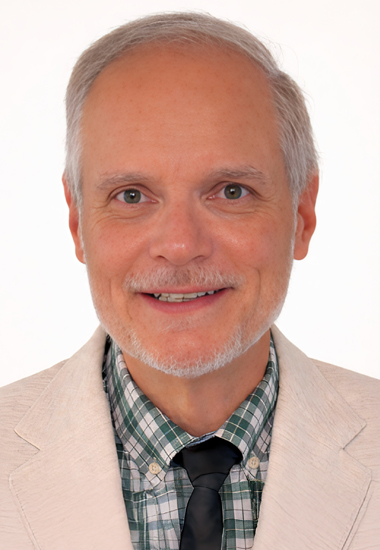
Special Guest: Dr. Bill Claytor
“My goal in life had always been to thrive. I want to have a thriving practice, a thriving lifestyle, personal and professional. And I didn't have that in the midst of burnout. And so when I started asking for help and found out that people really wanted to help me, things started to change exponentially year after year. It was an amazing experience. I wouldn't trade the experience for anything, but it was something I didn't like going through at the time.” — Dr. Bill Claytor
Dr. Claytor
Show Notes
Resources
[00:00:00] Wright: Overwhelm, stress and silent mental struggles seem to be taking a toll on many these days, and dental professionals are no exception. I'm Dr. ArNelle Wright.
[00:00:10] Ioannidou: And I'm Dr. Effie Ioannidou, and I'm so excited for today's conversation. Same because it's something that we not very frequently talk about. Yeah. So. I think it's great that we have the opportunity to touch on the pressure, on the substance misuse, on the path to recovery, and so many wellness solutions that are available around us.
So let's get started. Let's do it.
[00:00:37] Announcer: From the American Dental Association, this is Dental Sound Bites created for dentists by dentists. Ready? Let's dive right into real talk on dentistry's daily wins and sticky situations.
[00:00:53] Wright: Well, hello. Hello everyone. Today we're gonna be talking about burnout, substance misuse, and the mental health struggles affecting our profession.
[00:01:02] Ioannidou: We will be exploring so many different paths, including recovery and wellness. And we are so happy to have a guest that has a very inspiring story. So let's all welcome Dr. Bill Claytor.
[00:01:17] Claytor: Thank you.
[00:01:18] Ioannidou: Hello.
[00:01:19] Claytor: Hello everyone.
[00:01:20] Wright: Hey Dr. Claytor.
[00:01:21] Claytor: Glad to be here.
[00:01:22] Wright: So Dr. Claytor, before we started recording, one of the things that we shared was the last time we saw each other was at Smile Con 2025, which I got to hear a little bit of your. Story at that time, and I'm super excited that we get to expound upon it today.
So why don't we jump in by having you tell our listeners a little bit about yourself?
[00:01:41] Claytor: Sure. Thank you so much, Dr. Wright. And Yes. well, I'm a, I was a general dentist for about 40 years in a little town west of Charlotte, Shelby, North Carolina. Practiced general dentistry, attended UNC Adams School of Dentistry and did a two-year general practice residency.
in hospital dentistry at the time. And, when I got back to Shelby, I was fortunate enough to kind of grow a, a private practice along with an as I was an associate at the beginning. And then as time went on, I, went out on my own. And then, around that time I also got involved with this organization, the North Carolina Caring Dental Professionals.
And I've been associated in some form or fashion for over 30 years. So I have a, a real,. small town experience, but you know, real world issues. Yeah. So there we go.
[00:02:32] Wright: So impressive. Oh my gosh.
[00:02:33] Ioannidou: I know the story is so, and the journey is so personal, but can you tell us a little bit, Dr. Claytor about the moment that you realize that you need some help managing burnout and the pressures of dentistry?
Because dentistry really inherits a lot of pressures, right?
[00:02:54] Claytor: Yes.
[00:02:54] Ioannidou: And, and how did you, how and what did you do to seek help?
[00:03:00] Claytor: Yes. Great question. Thank you Dr. Effie. Yes. I, you know, when I got out of my residency program, I was ready to, you know, take on the world. I was so excited about being in private practice and I had a, a great community to go back to my hometown and as things would go, I got married a few years after that, kids started coming and, you know, buying the house and the car and the dog and the cat and all that kinda stuff. And after about 10 years and 10 or 12 years in practice, the, I, I noticed I was spinning a lot of plates and I'm, I'm kind of a yes person.
I wanna tell people yes, I don't like conflict. I don't like, you know, people not to be happy with me. you know, I wanna always. Fix something. if it's not fixing dentistry, it's fixing someone else. And so I wanted people to really accept me, and they did. But oftentimes the stressors, my perce, my perception of it was that, that, you know, there was constant strife of trying to be perfect, trying to be pleasing, trying to always meet up to the next standard.
And around my early forties, I developed, at the time I did not know what it was. It started out as panic attacks. I had no idea what a panic attack was. I mean. I know I'm in medicine, but I had no idea what the signs and symptoms of a, a panic attack were. And so after a slew of seeing doctors and tests and stuff, they came back and said, you're fine.
And I knew something wasn't fine and I I got to the point where. going to work was not, exciting anymore. It became a, a feeling of hopelessness and helplessness, as we always talk about in burnout, but it started to accumulate, and so I found ways to try to mitigate that pain sometimes through substances.
Other times just through, you know, sleeping more, not sleeping enough. All these things we try to do to cope, to get away from pain and,. Fortunately, there was a life lesson I learned in this because, when I received help, I, I was amazed at this amazing. experience I had, and that was that people genuinely wanted to help me.
I thought it was a sign of weakness if I asked for help. I thought it was a sign of, you know, that I was gonna be found out that I wasn't perfect and that I had some flaws. But the, the contrary happened, I mean, people came from outta the woodworks, different professions, different ideas about how to deal with things.
So I turned from this introvert, if you will not. Shutting down thinking I had to handle everything myself to this. I've always been kind of extroverted, but anyway, to this person asking, how did you do it? What did you learn from it? How can you help me? And that was a avenue that was not, it was not exposing to me.
It actually was a, a, a way of me to grow. I mean, I grew from this experience and it was an opportunity to hear what others had to share. And I, I like the, the, the thing that my goal in life had always been to thrive. I want to have a thriving practice, a thriving lifestyle, personal and and professional.
And I didn't have that in the midst of burnout. And so when I started asking for help and found out that people really wanted to help me. Things started to change exponentially year after year. It was amazing experience. I wouldn't trade the experience for anything, but it was something I didn't like going through at the time.
[00:06:27] Ioannidou: It's such a great story. So you really actively. You actively at some point sought, support, right?
[00:06:36] Claytor: Yes. Yes, I did.
[00:06:37] Ioannidou: Which is so important.
[00:06:39] Claytor: Yes. And, and, and it, it was more like this, this concept kept going through my mind saying, if I ask for help, it's gonna be detrimental to my career, to my family, all these things.
Yes. But the other side was saying, on the other side was saying, you know, how's it working for you right now? Something had to change. It was unsustainable what I was doing. And so I thought, what if I asked for help? And it's not that. And,
[00:07:07] Ioannidou: Yeah.
[00:07:08] Claytor: I, I was, I don't know. I, I, I guess I didn't have enough faith in my fellow man, but I, you know, to do that.
But they really, they really came to my side and, it was so important. People want to help. They really do.
[00:07:20] Wright: Yeah. That's so good. I always tell my mentees that I can't help you if I don't know what you need help with. So I love that you are sharing the part that. One you assessed and saw that, even though the doctors and the experts said that everything was fine, something still wasn't adding up and you kind of, you were curious.
and I love how you talked about seeing, like burnout as a weakness or, or asking for help as a weakness, because I too tend to be like a yes woman, and I'm always like, okay, I just want to be there for people, but showing up for everyone else. Sometimes leaves you without, you know, the care and the support that you need for yourself.
So I love that we are talking about this because I believe you're gonna help me too with your story.
[00:08:04] Claytor: And, and you know, the, the term codependency that we throw around or have thrown around in the past.
[00:08:09] Wright: Yeah.
[00:08:09] Claytor: I love a definition someone gave me years ago of codependency. It's, it, it's not like, you know, I want you to like me and all this stuff.
It, it, I like the definition. It's real short. It says chronic neglect of self. You throw yourself at everybody else. Whether it means I have to please you and if you don't like me, I'm gonna do everything I can to destroy myself, to make you like me kind of thing. And that's not what we're really here to do.
So, I looked at it as a, a way of getting out of my, shell, so to speak.
[00:08:41] Wright: Absolutely. Well, did that, that journey, your journey to recovery, it eventually led you to, as you, you mentioned earlier in your introduction, the North Carolina. Caring dental professionals.
[00:08:53] Claytor: Yes.
[00:08:54] Wright: At in that organization you started as a volunteer and later became the executive director.
So I'm curious to know, maybe just share with us like what drew you to stay in and then eventually lead this organization?
[00:09:07] Claytor: I saw, I saw what the organization offered me and offered my resources to me, and I'm a big. I'm a big, forgiveness person. I think we all make mistakes. I, I, I am an accountability person.
Yeah. I like to see people turn their lives around, be accountable, own up to, you know, what happened in the past and go forward. I don't think your life's over because you make a mistake. So I like opportunity and hope. So when I saw the organization offered hope and opportunity, I went. And I became through, well, volunteering for a while after a while, but I became the, volunteer coordinator, which was, I coordinated the dentist in the program, who maybe knew with maybe substances or mental health or burnout issues, and I would get them with another dentist who had been in the program and talked to them, sort of like a big brother kind of thing, where they could talk about issues they were having and then they could be accountable to our organization.
So I went from volunteer coordinator to the, the, assistant, I guess you would call assistant associate director, and then associate director, all these different labels I had. But eventually in 2022, I became the executive director at that time.
[00:10:22] Ioannidou: And having this experience in, in the organization, and dealing with so many people and communicating with so many other health professionals, dentists.
What did you find as. the most common mental health, challenges that the dental professionals face, and what can they do, when they face these situations?
[00:10:48] Claytor: Well, and I've sort of alluded a little bit to that already, but I think we are, and I, when I lecture, a lot of times I'll call dentistry. A fear-based profession because we are fear-based.
We're afraid we're gonna lose something, whether it be our license, we're afraid somebody's gonna find us out that we're not perfect, or that someone's gonna take something from us, you know, such as our, our own self-esteem. And we're so worried and so worried about what other people think. So I think, I think the number one thing is to tell people that it's normal.
To have these feelings, but the answers are found within the community. And the community doesn't necessarily mean like where you live, but it could be found within dental community. It could be found in the medical community. It's asking for help that, that's right. I mean, it could be therapists, counselors, it could be, you know, and I'll.
I probably mention this later, but, I, I think it's so important to have a mentor, a dental mentor. And I know I had one myself when I was coming along. I liked, the person, this was a dentist who had, had a number of years of experience. I liked the way he practiced, I liked the way his practice, the types of procedures he did.
I went to him and I said, I don't wanna reinvent the wheel. I like the way you practice. I wanna do the procedures you're doing. What do I need to do? Educational contact people, whatever. And he opened the floodgates for me and got me associated with different people. But he had one problem because as a dentist, you know, we wanna fix it right now.
He said. Have a plan. You can't do all this overnight. So I had a plan of how I was gonna instigate and bring, whether it be technology or different procedures or more staff on. And so it really helped me to really see that, aspect. And it helped me to plan a. Going forward, and it was very, very important.
So fear is the number one issue. Loss the stigma. I think, some recent studies are showing that, dentists, are, even when they come forward, they know they may have a behavioral health problem, but they're still a. That little voice in their head that says, if I come forward, somebody's gonna find me out.
And they're afraid it might end up in losing their job or being treated differently on the job. Something like that. So.
[00:13:02] Wright: So good. Yeah. I feel like we have, we have so many things that we could, we could discuss or so many directions we can go in from there and, and I heard you say it twice about being found out.
I think that is something that we should definitely, you know, talk about. As far as like substance misuse, because a lot of people, they credit you for playing a major role in breaking down this stigma, around like substance misuse, addiction, mental health in the dental profession. So we started talking about some, some barriers.
What else, could you share with all of our listeners that you found to be most difficult to overcome when encouraging our colleagues to begin seeking help?
[00:13:41] Claytor: Well, again, I think it has to do with being, you know, in relation. With the person to begin with. So having the conversation of like, you know, Hey, I noticed things.
You, you, you seem off, or maybe things aren't going, so what's going on? How may I, how can I help? Or may I help? Questions like that.. One of the things that I sense is that even with all of that, the old adage about you can lead a horse to water, but you can't make him drink. It's the same thing here.
We can remove all these barriers to make access. Yeah. more available. But I'll tell you in, in my 30 years, plus being associated with organizations like this and speaking nationally, there's never been a better time than right now. To get, help all the stakeholders, whether it be state boards, dental societies, insurance companies, liability insurance companies, whatever that happens to be.
and your patients want you to be healthy. And you, I know we all strive to be healthy, but there's never been a time, a better time to come forward to receive help. And there's a lot of national efforts going on to reduce that.
[00:14:51] Claytor: And I'm just. Proud to be a part of it. If I may, I, I would just say that one of the efforts that I'm involved with, with a dentist in, Massachusetts is we started an organization back in, I think it was April of 2022, called the National Council of Dentist Health Programs.
And one of the, our goals. Is to make sure there's not a dentist or a dental hygienist in our, in our nation or dental assistant even that cannot receive help if they need help. So our goal is to connect the dots, if you will, to make sure people don't fall through the, the, the, the, the, the loopholes or whatever.
And so one of the things we're doing, we've been meeting for about three years. We've got a lot of different, stakeholders involved with us. but one of the things we're doing in August, it's actually August 21st. Is our, national conference that we're having. The national, council of Dentist Health Programs is having our first annual conference on that very issue, mental health illness or awareness for practitioners and how to remove the stigma and how to go forward.
And so we've got people from the Wellbeing Index there. We've got all these different, the ADA will be there. I mean, we've got all these different voices to try to bring. The problem to the table and see if we can't work out solutions. So I'm, I'm a, I'm a, I'm a person that, you know, you tell me what you're gonna do, that's fine, but show me.
And I'm the, I'm the connector person. You can tell me. Well, that sounds great. Let's do it. I'll, I'll do that. You don't do it. I've lost, you know, confidence. This is where this organization comes in to make sure we're getting the right people, with the right people so that people can get help.
[00:16:32] Ioannidou: That's so important.
Right. And, and I can tell you that, what I notice in the recent years is that the, the new generation of dentists, the newly practicing dentists, are so much more comfortable with admitting, and facing, and asking for help, related to mental health. I think slightly the stigma is being removed and I think certainly there is some generational difference.
So it's very different the way that we grew up. Okay. ArNelle is very young, but it's a way very different the way that we grew up. And I can see even, you know, my, my kids that are in their twenties, there is no shame in saying I need a mental day off. Yes. You know, they, they are out proud and out loud about this.
So they, they declare it and they are okay with this because I think they have been, trained. It has been part of their education and they know that it's important for their wellbeing. So I salute the new generation.
[00:17:33] Claytor: Yes, and I agree with you a hundred percent Dr. Effie.
[00:17:35] Ioannidou: We'll be right back.
[00:17:38] Announcer Ad 1: For many, a smile is something we take for granted, but for a child in pain or a veteran seeking a job, a healthy smile is a life-changing gift. Through programs like, Give Kids A Smile and Give Veterans A Smile, the ADA Foundation connects vulnerable neighbors to the dental care they desperately need, giving them dignity relief and a fresh start. Your life-changing tax-deductible gift ensures that no one has to live in pain. Visit ADAFoundation.org to help keep the world smiling.
[00:18:16] Announcer Ad 2: Hi, I am Dr. Mia Geisinger. As dentists, we rely on science and research to inform our clinical judgment every day. That's why continuing education must do more than instruct. You must strengthen how we practice. Join us for the ADA 2026 Scientific Session, October 8th through the 10th in Indianapolis for three days of data-driven education, collaboration and practice ready insight. Learn more at ADA.org/SciSession, registration opens May 27.
[00:18:56] Ioannidou: Welcome back to Dental Sound Bites. Today we are talking about burnout, substance misuse, addiction, and the support available to our profession with Dr. Bill Claytor.
[00:19:07] Wright: While we're still talking about, you know, the impacts that you've had and like some of the amazing work that you get to do by talking to people, even those that aren't dentists that are coming to you for like your wisdom.
For someone who is listening in on our conversation today, they may be silently struggling with substance misuse or burnout or mental health issues, anything. what would you say is the first step that they should take?
[00:19:34] Claytor: So if they are struggling. Internally and personally, and not sharing this with anyone.
In other words, no one knows about it except for them. I would tell them that there are, there is a, as they say, a plethora of resources out there. One, the American Dental Association, ADA.org has a lot of, a great sectional wellness there, but there's, the self test you can do, if you suspect you may have an issue, the Mayo, wellbeing Index that's available to members of the ADA also, and then.
There are many resources. Out there, you can, you know, search online for multiple resources. There are apps available to do self-testing with there's burnout, indexes that are available. wellbeing Index that we spoke of earlier. The Mayo, clinic app. I, I personally set myself up on a regimen of taking it once every quarter, so January, April, July and October.
I take it on the first day. It takes literally less than two minutes to do. There's like seven true, false or yes, no questions. And then you rate yourself on two different metrics and then it tells you where you are as far as being burned out. on the other thing, if you are struggling with substances or mental, other mental health issues.
And again, I get, and I understand totally 100%, why it's scary to come forward. Again, I would just reiterate, there's never been a better time. All the different players, stakeholders are available now to make change happen. Also, I asked myself this question and, and I, I do this often, and maybe this is very helpful.
I don't know, but I'll say, I, I can't, I can't ask for help. And then I think, well, what if I did? What would that look like? Well, it would be cata. It'd be catastrophic, but what if it wasn't? And so I go to a trusted friend first and have that conversation of. Something I need to talk to you about something and just, you have to, you have to be vulnerable.
As Dr. Effie said, she hit it. That v where it has to be said. And, you know, there's a lot of things about vulnerability today. And again, I, I, I wish I could just coin this phrase, or, or, or make it known to everyone. Help is out there. People want to help you and they're not gonna. They're not gonna put you under the, the house, so to speak.
They're gonna help you find resources.
[00:22:01] Wright: Absolutely.
[00:22:02] Claytor: If, if I may, I'll just add a few things to that, although that topic.
[00:22:05] Ioannidou: Yeah, of course.
[00:22:06] Claytor: one of the things that, you know, when you try to put it in a, in a, something tangible to look at what are, what's the solution to this? Well, obviously we talk in mental health and substance use that are conditions like a lot of conditions in the human.
experience, if you will, or what we call bio-psychosocial spiritual. And we all have these different components. We understand the biology of addiction or mental health. We understand the social interactions or lack thereof. We understand the, you know, the psychological and then the, the spiritual side.
We're always looking for something to fill a void or avoid pain. And with that being said, it. I, I just like to, I, I always talk about the acronym case, CASE. So the case for wellness is what I call it. The C is collegial, and I've already mentioned some of that, but it's colleagues, it's, it's getting back.
I love Zoom. I love meetings. It's like this, it's saved our profession and really the. Our businesses in the United States and, and really ourselves during COVID. It was very important to have these Zoom meetings and still are, some of the research that's coming out about Zoom meetings say that, you know, the question is, is it effective or is it really not that effective?
It depends on your perspective. If you think it's gonna help you, you're gonna learn something. They've shown that it tends to be. Effective, but if you think, I hate Zoom, I'll just turn my camera off. I don't wanna participate, you're probably gonna get out of it what you, you don't, you know what you get out of it, which is basically nothing.
But getting back with our collegial community. And so I break that into four parts. I like to think of it this way. The first part is I think every dentist, dental hygienist, dental assistant, dental professional, ought to have a dental, what I call a. accountability partner. And an accountability partner.
Sounds kind of ominous. I know, but an accountability partner is basically someone that is not in dentistry. I call 'em your two 30 in the morning patient or a person. They're the person that if you called at two 30 in the morning. They would not be mad at you because they knew that you, they would know that you would not be calling them unless there was a real issue.
They're the person that, it may be your, your, your, your husband. It may be your wife, it may be your friend, your colleague. It may be somebody you know totally. You know, someone else, whoever it happens to be, but it's someone that's gonna be a reflection to you of what you're saying. And they won't, they won't sit there and just take, you know, your, your, your verbiage so to speak.
They'll say, no, get real with me. You're not telling me the truth. There's someone that. You can get honest with. Yeah. And they're gonna make you stay honest. The second, is the, collegial, mentor. I've already mentioned someone to look up, up to. All the great musicians, all the great coaches, all the great actors have people they look up to, they they're teachers.
So it's always better. Always think it's good to have a coach or a teacher above whatever level you, you happen to be at. So I love dental mentors. Someone that you admire, that you look up to, that you wanna be like or practice like. And then. Dental colleagues, for so long dentistry has looked at our profession, at least I sense it as being competitors.
I hear conversations like, you know, within a mile radius, to me, there's 10 dentists. I can't believe our 11th one has just shown up. Now, how am I gonna make a living? Instead of being at that attitude, look at it as an opportunity to become a colleague. So take 'em out to lunch, take 'em out to dinner, be involved with their lives.
You may say, well. have you done that? I actually have done that. I did it for years, and what I found was during lunch I wanted to get away from dentistry and I thought, well, I'm inviting dental colleagues. We're gonna sit there and talk about dentistry. It never happened. We talked about family vacations, fun things we were doing.
It was a very big release as far as the stressors I was experiencing, so that was helpful even during that time. But with that being said, you've got, the, the accountability partner, the colleagues, the, the mentors, and then. You have the community, so get back into your state, dental societies, your state meetings, your annual meetings, interact with other dentists and go to your study clubs in person.
that's, that's the C the A has to do with access to care. And you mentioned, wellness days. I'll tell you a brief story. as I mentioned, earlier, our daughter, was a resident at, at, at your university, UCSF. And so, she, we talked frequently. She was an internal medicine resident years ago, and we talked, on occasion, or you know regularly about her mental health and issues, and she was very open with me. So we had this great line of communication. But one day she called me and she said, I need some help. So I've scheduled a meeting with the counselors there at UCSF and she went to it and helped. It was helpful.
So what I find in private practice though, is. There are not enough trained counselors and therapists out there that first of all understand burnout. They all understand depression and stress and anxiety, but burnout's a different thing. And then specifically in medicine, what does it look like for the physician world, the dental world?
How's it the same and how's it different? So we need to find. Practitioners that are trained to, to do that. And that's one of the biggest challenges we have in the organization I'm in now. When we have someone that's dental burned out, finding someone to go talk to, not just a therapist, but someone who's trained in burnout.
I've got multiple stories on that. I won't go into it, but, so that's, that's the a, the s is the stigma, which we've talked to about the Lorna Breen, Lorna Breen Heroes Foundation. For those who may not know who Lorna Breen. Was she was a physician, had, dual appointments at Cornell and Columbia in New York.
and she, unfortunately took her life in 2020, right in the midst of COVID. And since that time, her brother-in-law, Mr. Corey Feist has met with Federation State Medical Boards to create this network of having state boards reword their licensure, on initial and renewal licensing. And so, that is where they don't ask questions anymore.
A in a lot of states, like, in the past three to five years, have you ever dot, dot, dot, you know, that kind of thing. Now the questions there are, are you currently suffering from any condition that you're not being appropriately treated from, that would prohibit you from being a competent, ethical, and professional practitioner?
And if you're. Seeking help for your depression on the outside with a private counselor, and they can vouch for you. You can say, no, I'm not suffering from anything currently. If you're in a program like ours and you're compliant with your agreement, you can say, no, I'm not suffering from anything currently.
I. It's, it's a pathway. And so that stigma, we call that safe haven. It's a legal term, which means make a path so people can get help without punitive retribution. And then the last is E. And I'm real big about the E. It is two E's actually. It's engage, empower. I wanna see every dentist out there thriving in their practice.
I want 'em be engaged in their dental community, engaged in society, and empower them to make decisions, take leadership skill courses, do things with, dealing with difficult patients, on and on and on. I, and I can go on, as you can tell about this topic. It's so good, but it's so, it's so, it's, it's obvious in front of us, but we can't really.
We, we can't put our hands on it 'cause it's not always tangible, you know?
[00:29:43] Wright: So that was CASE I love a good acronym. So I think you said C was for collegial, A was Access to Care S was stigma or creating that Safe Haven and E everybody was for Engage and Empower. Yes. I think that is phenomenal and I think it's really gonna benefit all of our listeners.
[00:30:03] Ioannidou: I mean it, these are all so, important and, and you know, it's so, it's so, I I, I always think that how important it is to allow yourself to be a little bit vulnerable and to ask for help and have access to, to care. So this is all I love Case. I love Case. It's really good.
[00:30:22] Claytor: And Dr. Effie if I can just add one thing briefly.
I, I, I, I use that analogy and I use this a lot when I talk, but, it's, you know, I'm, we've all sat on different boards and committees over our career, right? I mean, we, you know, whether it's church or local community school, whatever, and a topic is being brought up, let's say it's whatever, you know, whatever happens to be, and you're thinking, oh my gosh, how many times are we gonna quote, unquote, revisit that topic?
We've talked it to, it's dead in the water. I mean, how much, what new things could come out of the this? And so maybe a board has a new member. Or someone comes in and you meet again and you're going in with closed ears and mind saying, I'm not gonna learn anything. It's a waste of time. And yet you come out of the meeting going like, there's three or four things I never thought of before that.
That was a great meeting. That's we don't know everything. We need to be out and asking help for help.
[00:31:13] Ioannidou: A hundred percent. I completely agree.
[00:31:15] Wright: Oh yeah.
[00:31:16] Ioannidou: What happens if someone in your life, say a friend, or you have someone in the practice, that you know, you, you, you have a sense that they are struggling.
So what's the best way to approach this? And I know you, you touched a little bit upon this, but just to, you know, just to make sure that people understand that they can,
[00:31:34] Claytor: Right.
[00:31:34] Ioannidou: You know, they, they can offer. support if they have a sense of it.
[00:31:39] Claytor: Right. Yeah. And, and let, I wanna be clear here. I'm, I'm not a counselor.
I'm not a licensed counselor or anything.
[00:31:44] Ioannidou: Based on your experience.
[00:31:45] Claytor: Yeah. My experience tells me that I, I address the issue that I realize, or I notice, or I feel that there's a situation going on here, a, a problem or an issue going on. I don't feel, I, I, I don't sense that maybe you're in a good space or that you are comfortable with where things are today.
And so I ask two questions, I'll say. What would you be willing to do if we could make, are, you know, to make change if you're, if you wanna make change, and how would you like to proceed? So I ask those coaching questions of what, what are you willing to do, you know, address the problem. Yeah. You see, I, I, I, I'm concerned about you.
I, I don't feel comfortable leaving you. I don't feel comfortable, you know, just dropping this subject. I really sense that you're having an issue. What would you be willing to do? And, and then be quiet and let them answer it. 'cause they know what they need to do. And how would you like to proceed? Well, I don't wanna do this, but what would you be willing to do?
So what and how questions really can invite that motivational kind of interviewing technique into the conversation where people can actually receive help.
[00:32:49] Ioannidou: That's so good.
[00:32:51] Wright: So good. Have to be aware and just like understanding those that are around you.
[00:32:55] Claytor: Right.
[00:32:56] Wright: Yeah, I love that.
[00:32:57] Claytor: And again. We can remove all the barriers out there, but it's not gonna get any better until we become vulnerable, Dr.
Effie, and, and take that first step, as you said. So, I really, I really think that. It's okay not to be okay as they say it. It really is. Yeah. And it doesn't mean you're bad. You're less than. I work with some of the most fantastic dental hygienists and some of the most fantastic dentists in our state.
They're some of the top doctors. They're not your, usually your doctors that are, you know, struggling. These are the ones that were thriving, but they. Couldn't balance all the spinning plates and they needed some help about how to, you know, do this. So, we don't learn this outta school.
[00:33:40] Ioannidou: Tell me about this.
[00:33:41] Claytor: Yeah. You know all about this Dr. Effie. I know you do. So I'm saying we spend 99% of our time. Talking about procedures, technology, patient care in school, but we spend 1% of our time in school talking about the mental health and stuff. So that's what you do in private practice when you get out, engage, learn conflict resolution courses.
Why, personalities matter. Leadership skills. Take a leadership, skill. Course not even related to dentistry or related to dentistry. The ADA has a lot of resources on that too. I mean, I, I can't tell you it's out there. It's just you have to take that step forward.
[00:34:19] Announcer: On the next Dental Sound Bites.
[00:34:21] Ioannidou: We are talking about the money roadmap you need to help you build financial security now.
[00:34:29] McGrath: So a lot of the changes that we talked about, things like the income-based repayment program being phased out, the SAVE program being phased out, as well as the caps for federal student loan origination, all of those changes are set to go into effect on July 1st, 2026.
[00:34:44] Buschick: I'm gonna give five numbers you didn't learn in dental school, but should know to help set yourself up for greater financial success.
[00:34:51] Jerkins: I am happy to be here and talk a little bit about transitioning and your dental career as it relates to owning or working at a practice.
[00:35:05] Ioannidou: This is also great. I love the conversation, and thank you so much Dr. Claytor. For joining us today and for sharing these amazing stories and your wisdom and, and, but before we let you go, yes. Is there anything, I know you have a lot to share, but is there anything that you, you think we need to mention that we haven't covered today?
[00:35:27] Claytor: I really, I really think that, you know, your future's in front of you. This is, we, you know, we, we get one time to be on this planet.
[00:35:34] Ioannidou: Yeah, that's right.
[00:35:35] Claytor: And if you're suffering, there's no sense going on because I like the term unsustainability because whatever you're doing in your life, that's not sustainable.
Change it, ask for help. Yeah. It's not gonna get any better. Yeah. And, and, and it, and it's a little bit. About the, I I, I think about how people that are suffering with mental health issues or substances, and they are hurt, they build up resentments, they get angry at other people, their solution is to become more depressed, isolate more, or use more substances.
So what they're doing is destroying themselves. They're not rectifying anything. So That's right. I just say you're worth it. and, and there's a community out there. The dental community is. In my opinion, it, they're the most loving community. They'll do anything for anybody. So we're in a great, great area.
Ask for help. It's not gonna kill you. It's, it's gonna make you live. And so I, I want to give you everyone to the opportunity to thrive and to be the best that they can be. And then give it back. You know? Go on. I, I think about just the, the. Pay it forward. The pay it forward, the availability.
We have to be a resource for the younger generation and, and I will ditto what Dr. Effy said earlier, that this younger generation is getting the message, and I think it's gonna take several years to get this, but there'll always be that part that are remnant of people that have issues. It's okay. It's okay.
[00:37:05] Ioannidou: That's right.
[00:37:06] Wright: That was Wow. Well, thank you once again for being on our show, Dr. Claytor. This was so good.
[00:37:13] Claytor: Thank you for the invitation.
[00:37:14] Ioannidou: Thank you so much, Dr. Claytor. Thank you. That was amazing. Thank you. Yes.
[00:37:20] Claytor: Always love to help, ADA and, you know, organized dentistry in any way I can because, so many of us are involved in this organization and, we wanna make it the best it can be.
[00:37:32] Ioannidou: That's right. And with that.
[00:37:34] Wright: Now it's time to say goodbye.
[00:37:37] Ioannidou: Now it's time to say goodbye.
[00:37:40] Claytor: Oh, please sing. Yeah.
[00:37:41] Wright: Yeah. A little something. Okay. Well thank you so much again. We are so glad. Until we see you at another conference, that's all for now.
[00:37:50] Claytor: Thank you so much. Bye.
[00:37:52] Ioannidou: And if you know someone who could use this information in this episode, please share it with them.
[00:37:58] Wright: A reminder that we will have all of the resources and information mentioned in this episode linked in the show notes on ADA.org/Podcast, and you can find many more resources at ADA.org/Wellness.
[00:38:13] Announcer: Thank you for joining us. Dental Sound Bites is an American Dental Association podcast. You can also find this show resources and more on the ADA Member App and online at ADA.org/Podcast.
The views and opinions expressed in this program are those of the speakers and do not necessarily reflect the views or positions of the American Dental Association.