






You can also listen on the ADA Member App.
Building Your Dental Career
Description: We’re sharing the career-building moves every dental professional should know, plus the five good habits that can help you build long-term success.
Featured Guest: Dr. Kayla Klingensmith
“We need to create those consistent habits that help us through our career.” — Dr. Kayla Klingensmith
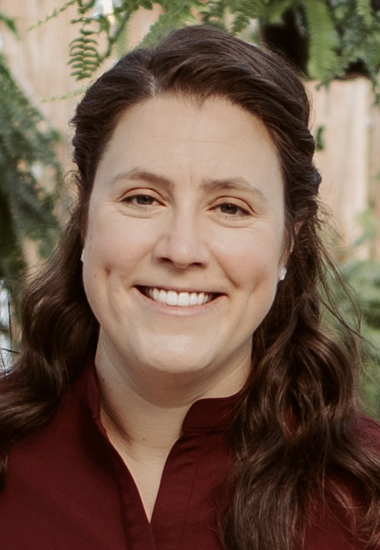
Dr. Kayla Klingensmith
Show Notes
Resources
[00:00:00] Ioannidou: I remember what it felt like right after graduation from dental school, navigating the first job, life decisions, money. Actually, I do remember what it felt. I felt like, "Oh, now I'm free to party."
[00:00:14] Wright: Yeah.
[00:00:16] Ioannidou: Freedom. All things happen at once, but the most important thing is that, you know, it, it really feels, uh, overwhelming sometimes, right?
[00:00:24] Wright: Mm-hmm.
[00:00:24] Ioannidou: Uh, but I have good news for you. You don't have to figure it out all alone. You can first party, and then figure it out. So hello, everybody. I'm Dr. Effie Ioannidou.
[00:00:33] Wright: And hey, hey, everyone. I'm Dr. ArNelle Wright. So today we are gonna be talking about how to build a career that stays relevant, fulfilling, and financially successful over the years, and I'm gonna be taking all of the notes right along with you all.
Um, starting with those first critical years after dental school, you kind of want to soak in all of this information. So today we're also gonna be sharing some practical takeaways to help you know what to focus on early on. So let's get started.
[00:01:06] Announcer: From the American Dental Association, this is Dental Sound Bites, created for dentists by dentists.
Ready? Let's dive right into real talk on dentistry's daily wins and sticky situations.
[00:01:22] Ioannidou: Hi, everybody. Let's talk about the transition from dental school to career success, and how our new dentists can make smart but also very intentional choices from the very beginning. So- Mm-hmm ... it's already a huge accomplishment when you graduate dental school, and it's exhaus- you feel exhausted. You really want to take a break, right?
[00:01:43] Wright: Yeah.
[00:01:44] Ioannidou: Let me break the news to you. It's just the beginning. Life is freaking exhausting.
[00:01:48] Wright: Absolutely.
[00:01:49] Ioannidou: So early decisions can really shape your long-term path, right, ArNelle?
[00:01:55] Wright: It really, really can.
[00:01:56] Ioannidou: And you're called to make these decisions really early on and very young.
[00:02:00] Wright: Yeah. Ah, well, uh, uh, youthful. Let's just say youthful.
[00:02:03] Ioannidou: youthful, youthful, for sure.
[00:02:05] Wright: I just look younger than what I actually am, which is a blessing. So, um, I, I totally agree with everything that you said, uh, Effie. And for everybody who's listening, whether you are in dental school, whether you're starting your first job, whether you are thinking about your next career move, this conversation is definitely going to help you plan for a career that's fulfilling and sustainable.
To help us navigate this topic, I want to welcome today's guest, Dr. Kayla Klinginsmith. Welcome, Kayla.
[00:02:34] Klingensmith: Thank you.
[00:02:35] Wright: Thank you so much for being here.
[00:02:37] Klingensmith: I'm so excited to be here. Longtime listener.
[00:02:39] Ioannidou: Welcome.
[00:02:40] Wright: I know. We got all the girlies here today, so y'all get ready for a great conversation.
[00:02:45] Klingensmith: Yes.
[00:02:45] Ioannidou: Kayla, or Dr. Klinginsmith, this is German. Tell me it's German. Is it?
[00:02:51] Klingensmith: Yes. Okay. It is German. Oh, yay. It is German. Yeah.
[00:02:53] Wright: You got it.
[00:02:54] Ioannidou: Yeah, see? I got it. Okay, Kayla. Yeah. Uh, can you share a little bit with our listeners your, your background, your, uh, something about your background, something about your work, or everything about your work?
[00:03:06] Klingensmith: Yeah. So, um, I am living in Lancaster, Pennsylvania. Uh, I've lived here all of my career after I did my GPR residency. Uh, I am 10 years out now, so I've- 10. Yeah. I know. I'm officially not, no longer a new dentist. A new dentist.
[00:03:26] Wright: I'm right behind you.
[00:03:27] Klingensmith: Yep.
[00:03:27] Ioannidou: Me too. Me too.
[00:03:29] Wright: Right there.
[00:03:29] Klingensmith: Right? Yeah, yeah. And so I've had three associateships.
I've worked, uh, temp work for, locum tenens work for different people. I've worked maternity leaves. Um, I've worked medical leaves, all of that. Uh, so I've worked in a lot of different offices.
Nice.
But I decided, uh, a couple of years ago, to start my own practice. Um, and now I own and operate, uh, Evergrow Dental in Lancaster, PA. Uh, so it's been really exciting. I'm also the chair of the New Dentist Committee for the ADA-
[00:04:07] Ioannidou: Nice ...
[00:04:07] Klingensmith: for just a little bit longer now, but, uh, yes, they're kicking me out here pretty soon.
[00:04:13] Wright: It's bittersweet, though.
[00:04:15] Klingensmith: Yes.
[00:04:16] Ioannidou: So where is Lancaster?
[00:04:17] Wright: Lancaster i- uh, I am the middle of the state. Okay.
So, yeah. So there's, like, not- Uh, this is Amish country. That's- Mm-hmm ... I would say that's kind of what we're known for. Hershey is very close to us. Hmm. Hershey, PA, where chocolate's made.
[00:04:32] Ioannidou: So you're close to Harrisburg?
[00:04:34] Klingensmith: Yes. Yes. Yeah. I was like, most people don't know where Harrisburg is.
[00:04:38] Ioannidou: I'll tell you why I know Harrisburg, because my daughter is a rider.
Oh. And we come to Harrisburg for finals, so I do know Harrisburg very well.
[00:04:46] Klingensmith: There you go. Awesome. There you go. Yeah. Yeah. So I'm, like, 30 minutes away. My husband works for the Pennsylvania government. Nice. So he was actually in, in work today, so he's in Harrisburg today. Yeah.
[00:04:56] Wright: Thank you so much for that introduction.
This is so good. I know, like, with all of your experience, Kayla, our listeners are really gonna be able to take a bunch of, um, tools back to their own personal experience. So to jumpstart our conversation, many students, they spend years preparing to become a dentist, as we all know here on this call, um, but much less time preparing for their first job.
So can you explain to us, or just give us your insights on what are the biggest surprises that most dentists make during that first job?
[00:05:29] Klingensmith: Oh. So I, I interviewed at seven, uh, offices- Hmm ... uh, my first, my first round. Um, eh, kind of, they were all very different. Um, and I, I guess I didn't know exactly what to expect.
Um, but I think it was really important that I picked a place with support, um, and, and with mentorship. Uh, and so that was a really important piece to it.
Okay.
I think I would say mistakes-wise, uh- I think if I was to go back and, and redo kind of first job, all of that, is, uh, I probably would have picked a location and stuck with it.
Yeah. 'Cause I interviewed at a lot of different locations. Um, you know, we, my, uh, boyfriend at the time became my husband. We both were looking for jobs at the same time, so we, we could go anywhere we wanted to. So it, it was almost kind of like the world was our oyster and we, we were shucking too many of them.
So yeah, we were just trying to figure it out, and I think it would have been a little bit better if we had a little bit better of a clear path of where we wanted to go.
[00:06:42] Wright: But how would you know, though? Like, you would... You, you, you really don't even know.
[00:06:46] Klingensmith: I know. I know. You don't know. I say this, I say this.
Like, I feel like half of the things that, that I'm gonna talk about today is, like, you're gonna make a mistake.
[00:06:57] Wright: Yeah.
[00:06:58] Klingensmith: And, um, and you're gonna learn from it, and then you're gonna move on, and you're probably gonna make another one. Um, 'cause I think that if I could sum up the first 10 years of my career, it was I, I chose wrong a couple of times.
I chose wrong a couple of times. Would I go back and change it? No, because there's people in my life that have completely changed it and I met because of that job. And, you know, a time and a place, uh, you know, we'll talk about being ready for things. Um- Yeah ... but I, you know, to me, I, I'm glad where I ended up.
Like, I know I ended up where... Yes, w- do I wish it was faster? Absolutely. But Yeah. Yeah. It's just I, I'm very grateful for all that I have learned and all that I have grown in the last 10 years.
[00:07:53] Wright: Same.
Because it- you don't have all the answers, and you're not supposed to.
[00:07:59] Ioannidou: You know, wisdom takes time.
[00:08:02] Klingensmith: Yes.
[00:08:03] Ioannidou: Nothing comes fast.
[00:08:04] Wright: Unfortunately.
[00:08:05] Ioannidou: You need to pay your dues. So that's, that's side note. But, uh, thinking back, uh, on your first job, and, and I think you alluded a little bit, um, uh, you spoke about mentorship, but I want to just, uh, bring the question because I think it's important for, uh, new graduates, especially because they are loaded with a lot of debt, right?
The dilemma always exists- Mm ... and they are divided between, okay, do I find- do I look for the best paid situation, or, uh, am I looking for the best environment in terms of, you know, as you said, support, uh, opportunities for growth and learning. And how would you... With the wisdom that you have now 10 years down the road, right?
M- I mean, actually 10 years later, um, what advice would you give to a- the next chair of the new dentist, um, uh, committee?
[00:08:59] Klingensmith: Yeah. I think... So this is something I run into a lot. I do attend at, um, the residency I went to. Oh, nice. So I still interact with those that are, are getting ready to, to job hunt, and I go through this question with them all the time.
Um, I would say the unicorn position is the one that pays well and also gives you that learning environment. I don't think you're necessarily going to find both. If you do, awesome, take it. Mm-hmm. Do it. Um, it's gonna be fantastic, but you have to figure out which one is more important. Uh, if your partner can be able to kind of take on some more of the financial support, if you can live way below your means and you have an incredible experience to learn, I believe it's worth it in, in my career.
However, I know plenty of new dentists That a well-paying job is it. Like, that is it. And, you know, to them I say go for it, but know which one you need to further your growth in your career. Because for me it was, it was learning, it was support, um, that helped me go further than actually the, the money I brought home.
[00:10:21] Wright: That's so good.
[00:10:22] Ioannidou: Yeah. I was, I was underpaid for a long time. You
[00:10:26] Klingensmith: know- You, you got- you will be ... I, I think I'm still underpaid a little - Yeah ... right now. Mm-hmm.
[00:10:31] Wright: And this, this, this we signed up for, you know?
[00:10:33] Klingensmith: Yes. Yes, I know. Yeah, yeah. I know. Oh my God, the-
[00:10:36] Wright: We signed up for this. Listen-
[00:10:37] Klingensmith: The, the amount of, uh- ... I feel you... research and development cases that I do right now- Yes ... that I am vastly underpaid for.
[00:10:44] Wright: Yeah, that's, yes, yes. Like, don't- True ... let's not even go there. But maybe we'll have to go there at some point.
[00:10:50] Klingensmith: Yeah.
[00:10:50] Wright: So, um, and, and this may be the question. So you, you talked about interviewing at multiple locations and having different experiences.
What would you say every dental graduate should ask before accepting that offer?
[00:11:07] Klingensmith: Yes. Can I speak to the associate that I am taking their position, or a previous associate?
[00:11:16] Wright: That's good.
[00:11:17] Klingensmith: That's a, that's a game changer. That's a game changer. If they, if they don't have that availability, y- you know, it's a good question to ask why.
It's not the be-all, end-all. Um, you know, the, the relationship might have ended in a not so wonderful fashion, or they might have not had an associate before. So then you need to ask more questions about how they're going to prepare for an associate, what they've done to do this transition. The other thing that I really, I think we don't talk about as much is the restricted covenant, and how that can really change your career.
Mm. Um, and so if you know you wanna live in somewhere specific- And you know this is the place for you, great. Don't worry about your restricted covenant. However, if by any change, uh, any possible imagination it doesn't work out, this job doesn't work out, are you going to be able to work through that restricted covenant?
Are you okay sacrificing those years of not working in the place that you want to live? Mm. So sometimes I know there's people with their first job, they actually will find a job outside of where they wanna live that's outside of that restricted covenant to kind of, like, work through and figure out what they want before, before then.
'Cause I've, I've seen a lot of my friends and partially, uh, you know, I had a lot of situations with my startup, um, finding a location, and I was restricted, um, on where I could actually do my startup as well.
Mm-hmm.
[00:13:00] Ioannidou: I mean, that's really, that's very interesting and, and, you know, s- definitely becomes sometimes, um, complicated because, you know, I mean, some people are l- are locked to - one, uh, geographic location.
You were very open at the beginning. You said- Yeah ... that you went and you- Yeah ... uh, looked around. You interview in several places all around. I mean, some people are really connected to the environment, sometimes even where they grew up, right? But I think a lot of times people are s- scared or, uh, troubled with, uh, this very first, um, interview or this very first negotiation interaction, and this comes out of perhaps, uh, you know, internal fear, lack of confidence, sometimes even lack of competence.
We are- Mm-hmm ... not trained in dental school about, you know, on this stuff. We- nobody tells you exactly what the steps are, right? So you have to figure it out on your own. So how do you think a new dentist can gain this confidence to feel that they, the- they can go into this room, negotiate from a strong position without having the pressure?
And is there anything, you know, anything alternative would you... Uh, what, what, what are your thoughts on this?
[00:14:16] Klingensmith: This is, this is probably where I made the most mistakes.
[00:14:19] Wright: Same. Yeah.
[00:14:22] Klingensmith: This is... Yes, this is probably where I made the most mistakes, you know. I, especially with my first job, I was really nervous. I didn't...
I was very nervous to negotiate, like, even, um, or even just ask the right questions. Um, but I will say it, it bit me in the butt pretty bad-
Mm-hmm ...
when it came down to it. Um, and, uh, it, it changed the trajectory of my career a little bit, um, when it came down to it. But I think, uh, making sure that- You know your worth to a point
[00:15:02] Ioannidou: That's very important
[00:15:03] Klingensmith: And honestly, if you don't know what you're worth like I did, it's a lot of fake it till you make it. Like that's-
[00:15:11] Ioannidou: Yeah. Sure
[00:15:12] Klingensmith: 'Cause I think, 'cause that's something that grows over time. Like I, I think at this point in my career I know my worth. Like it took me way too long to figure that out. There are people coming out of dental school that already know their worth, um, and maybe know the- maybe exceed that a little bit more.
But, you know, who's to say? Like everybody knows their own worth. But, um, I, I think I think giving yourself the grace that you're not gonna get it right.
Yeah.
This sounds terrible, but as I, I, I mean, I don't... I, I've seen a lot of new dentists make mistakes at the beginning, um, and I see a lot of dental students concerned about making mistakes.
Like, that's the question of, like, h- well, how do I not make that mistake? Like, how do I learn from your story? And I think sometimes it's accepting that it's not gonna go perfectly. Um, and you might have to- you might not have found the right job. Like, y- they might have presented themselves in a way that sounded like what you wanted, but then it wasn't.
Um, so I think to me, I, like, I don't have a, like, confidence boost of, like, you know, you can do this, which you totally can. Um, but it's also a fact of, like, be vulnerable enough to know that, like, it's not gonna go perfectly.
[00:16:40] Wright: I, I totally agree 100% because I can look back on some of my own experiences and be like, "Oh, okay. If I knew then what I know now..." You know what I mean? Yeah. But I wouldn't have gained that wisdom and experience had I not gone through it. And I like to say a lot of the mistakes or a lot of the errors, um, or even just, like, some... Like, if we don't negotiate well, if we don't pick the right place in the beginning, um, a lot of those things are stories that I get to tell and I get to use as lessons for someone else.
And then you learn what you can look for in a contract, or if you've seen enough of them, you're like, "Oh, okay, wait. Let me put these side by side." Yeah. You know? And say, "Okay, the next one, y'all won't get me on that one," you know? So if you're paying attention. But, um, I think you're definitely onto something.
And, um, like, just having that openness is really gonna be key for success.
[00:17:35] Ioannidou: We will be right back.
[00:17:39] Announcer Ad: Did you know that ADA members are making a big impact on dentistry? Together, we're fighting for community water fluoridation, advocating to improve access to care, pushing for dental insurance reform, working to ease the student debt burden, and driving workforce improvements. But we can't do it without you. Our unified voice is critical in driving real change. Help us advance the future of dentistry by renewing your membership at ada.org/renew, or by becoming a member at ada.org/join.
Need CE credits? Get instant access to courses on implantology, sedation, coding, and more with an ADA CE Online subscription. You will have more than 300 on-demand courses at your fingertips any day, anytime, anywhere. Sign up for your subscription today at ce.ada.org.
[00:18:41] Ioannidou: Welcome back to Dental Sound Bites.
Today, we're talking about making the transition from dental school into your career, and how new dentists can make smart, intentional choices from the very beginning.
[00:18:54] Wright: With Dr. Kayla Klinginsmith. I wanna talk a little bit about time management. So, um, after you get the job, um, I- it's really, really important.
We are all, uh, advocates of lifelong learning. So I have two questions for you. The first thing is, tell us your thoughts on how a new dentist can continue to grow, and then let's just say hypothetically they only have five hours a month to devote to professional development. Can you tell us in your, you know, through your experience, what are the best uses of that amount of time?
[00:19:30] Ioannidou: Our podcast.
[00:19:31] Wright: Yeah. Yes. Get the juice here.
[00:19:34] Klingensmith: Good use of time. Tune use of time.
Mm. 'Cause you can also, you know, you can get your physical exercise in. I walk to you guys a lot, so you know, like- Yeah ... taking, taking that time to get that fresh air, absolutely. Absolutely.
[00:19:48] Ioannidou: There you are.
[00:19:50] Klingensmith: Uh, I would say, uh, the biggest thing that I, I learned, um, and it, it ended up just being the job I was in gave me this opportunity to really work on my communication skills first.
Yes. Um, yeah. 'Cause, you know, it doesn't matter if you can make the most beautiful class two. If you suck at talking to people, it's, it's not gonna go as well.
[00:20:17] Wright: Yep. Meh.
[00:20:18] Klingensmith: Yeah. So to me, it's talking with your patients, um, a- and being there for them and taking in those cues and, um, creating that verbal toolbox.
That's honestly one of my favorite things to talk about from dental school- I love it ... was creating that verbal toolbox, um, that I pull things out of. Um, trying different things, listening to other dentists use their verbal toolbox and be like, "Oh, I'm gonna use that." Mm-hmm. "I like that. I will say that every single time."
Uh, but also learning how to communicate with your team. That to me, is a really important piece to set expectations, to be there for your team, to have them support you, um, as, and support them as much as they're supporting you. I think it's a huge piece to it, um, that will really help your growth journey.
So focusing on the relationships first I think is really super important. So, you know, if we're talking about five hours of professional development, maybe that's taking your assistant out to lunch Um, maybe that's meeting... Maybe that's shadowing one of the other docs in your practice and listening to them speak, uh, uh, to patients.
You know, taking that time. The other thing is, uh, you know, I think knowing that bread-and-butter dentistry, um, and I speak this as a general dentist, is making sure you have those skills down. Uh, I worked in a practice with expanded function dental assistants, and they actually would not let me fill or have the, utilize the EFTAs, uh, until I was probably about six months in- Mm
'cause they wanted me to have a little bit more experience filling. So if they had trouble, I could actually help them. Uh, so yeah. Yeah. So that was, that was kind of, I would say, one of the biggest things. But communication skills, it's so, so important, and it's good to start working them out. Mm-hmm. Uh, 'cause every single time you use that verbal toolbox, you sound more professional, um, and more confident.
[00:22:25] Ioannidou: And it comes natural, right? Yeah. The more you use it, the more natural it becomes. So it's not this... It's, it's more of an authentic way of, uh, um, uh, transferring the information rather than, you know, pretending that you know something and coming foreign to your style. Mm-hmm. But it's really so important to adapt this to your style of communication, too, and, and, and, and, um, I wanted to...
A- as you establish these relationships and you establish this, uh, growth and, uh, you start feeling more, uh, comfortable in the environment, um, how do you make the decision, and when do you really know when is the time for a change? And that sometimes is also risky and, and, and, and fearful.
[00:23:10] Klingensmith: Yeah. Uh, talk about one of the hardest days of my life was quitting my first job.
[00:23:16] Wright: Mm.
[00:23:17] Klingensmith: Um, it was, uh... Honestly, if I've learned anything in practice ownership, it's trusting your gut. Um, and, and I wasn't confident in my gut, uh, 'cause I was so unsure of myself, uh, but I knew probably a year and a half before I left my job that I probably should not be there anymore. Um, it just wasn't working for me.
Uh, but having the confidence to trust your gut, I think is really super important. Uh, and you know, I'm gonna say it again that it comes with time. It, you know, it comes with practice, uh, and that you're not gonna get it right, but your gut's always, always there for you, uh, in learning it. But yeah, I think when, when you dread going to work, I think that's always a clue.
[00:24:14] Ioannidou: Oh, for sure. That's a- It's a clue.
[00:24:16] Klingensmith: That's a, that's a simple no-brainer.
[00:24:18] Wright: No, that's a red flag. Yeah. It's like, leave.
[00:24:20] Klingensmith: That's a red flag. That's a red flag. Uh, yeah.
[00:24:26] Ioannidou: Yeah, for sure. For sure.
[00:24:27] Klingensmith: But yeah, I think it's, I think it's tough, but I also think it's not one day. It's, like, a bunch of days, and you need to have those conversations with the people that you trust.
Um, and most likely, just by talking it out, you're gonna figure out, oh, I should not be here anymore.
[00:24:48] Wright: Kayla, I have one quick question before we go to the next thing. W- w- while we're on that topic of leaving, like, your first job, that was, like, a hard one for you. Like, how did you come to that conversation?
Like, you said, like, maybe talking to people that you trust. Is it just the fact that you were like, "Okay, I'm over it," or, "I need a change"? And how much of the decision was, um, I guess halted by you being like, "Ugh, I gotta start this process all over again"? Oh. Because I think that- Yeah ... I think that can keep you in a position, too, just the, the fact of having to make the shift.
It can make you stay, right?
[00:25:23] Klingensmith: Yeah.
[00:25:23] Wright: Or would you say?
[00:25:24] Klingensmith: So I don't know if this'll be a little bit of a tangent, but my, my first job, uh, I was, uh, my contract was a yearly contract, so I only had one specific time I could get out of it every year.
Uh-oh.
Uh, yes, don't sign that. Um Ah.
[00:25:44] Wright: Yeah, so that's- ... that's interesting. Yeah. Okay.
[00:25:48] Klingensmith: Yeah, so, so that was kind of like, you had to give notice or else then it just re-upped for the next year.
Okay.
And so I figured out in, like, 2019 that I needed to leave, and, um, it was 2020 was the next time we re-upped, and it was during COVID lockdown that I would've had to- Oh ... give my notice.
Okay. And it was kind of one of those things of I, I knew it was time to leave, but at the same time, I was like, "What? I'm gonna find a job during COVID lockdown?" Like-
[00:26:17] Wright: yeah, like, so- ... uncertain.
Yeah. Yeah. The world is uncertain.
[00:26:20] Klingensmith: Yeah, so I, I s- I stuck around, um- Yeah, and I ended up starting interviewing pretty early on, um, and just hoping to find something 'cause I, at this point I was burnt out.
I, I needed to leave. My mental health was not good anymore. Um, yeah, and so, so that's kind of how... I, I did job search a lot.
[00:26:44] Wright: Okay.
[00:26:45] Klingensmith: Yeah, the second job I actually decided to create my own cliff, and I left before I had another position. Um, I planned for that. I planned, like, a year in advance. I financially planned for that, for sure.
[00:27:01] Wright: Okay.
[00:27:01] Klingensmith: Like, I, I saved money for a year, and I said, "Okay, I can live without a job for six months. Um, like, my family will be okay for six months. Um, I'm gonna quit this job because I know it's not giving me the growth I need, and I need to focus on myself."
[00:27:20] Wright: Oh, that's so good.
Okay, so you said a key thing.
[00:27:24] Ioannidou: You financially prepared.
[00:27:27] Wright: Let me tell y'all something. I don't even feel... I'm just gonna put a disclaimer, and I'm gonna, I'm gonna put myself out there. I don't even feel qualified to be making this statement- ... as a new practice owner, like, in the financial trenches. I'm just gonna say that. And this is not to scare any of our listeners.
This is just to give you a glimpse into real life, okay? So you financially prepared for that season of your life. Let's talk about what financial decisions or adjustments, n- n- knowing what we know now, okay? What... Like, let us just help the people now. What adjustments and decisions should they be making early on?
And I... And, you know, you speak for you, but I'm just gonna tell y'all, like, take the advice, please, okay? Position yourself financially. Go, Kayla. Tell us.
[00:28:17] Klingensmith: You know how, like, the patients talk to you about how, "Oh, I really wish I wore my retainers, like, back in the day" Mm-hmm ... like that type of thing. And I was like, "Yeah, but would you have listened?"
[00:28:27] Wright: Yes. Okay.
[00:28:27] Klingensmith: Um, and they're, they... For the most part they're probably like, "No, I was young" Yeah ... like, all of that.
Yeah.
I think I would've listened to this, but I, I don't know. Like, I, like, I remember having conversations, you know, about financial success of kind of like, "Hey, as your pay increases, your expenses will increase."
And I'm like, nope. Like, I was raised by two people who are, like, savers. I wanna be good. And yeah, I saved a crap ton of money, but I still, like, i- if I actually look at it, it's, I did the exact thing. I Like, my-
You lived. You was living.
My expenses... Yeah. My expenses still increased. My ex- expenses still increased, um, and I wasn't, because I wasn't watching them, and I wasn't putting that time.
So, um- I got serious in budgeting in my second job, and that's how I kind of got to the point of having that six months of, you know, okay, if I leave my job, I'll be okay. I'll have this safety net. Um, and I've carried that through in, in practice ownership now, um, by, you know, trying to save as much money as possible and, and still budget myself.
But I have a set time, like every month I look through it. Um, I have made that habit of I make sure that my eyeballs are on it. And even though it's incredibly simple the way I do it, and there's much more complex ways of doing it, I just at least have my eyeballs on it so it doesn't go Completely kablooey.
Yeah.
[00:30:05] Wright: Okay.
Yeah. Kablooey. Oh, that's a new one. Oh, we are using that, Effie.
[00:30:10] Ioannidou: This is very good. No, I love it.
[00:30:12] Wright: Kablooey. That is... I'm taking that one. I love it.
[00:30:16] Ioannidou: Yes.
[00:30:16] Klingensmith: Yes.
[00:30:17] Ioannidou: And it's so hard to do it, and as I was thinking about the things that a den- uh, you know, you might recommend that a, a new dentist does the, the first five years of their...
in the profession. I think one of the difficulties in the first five years, um, and it, it will become even more and more, um, is how to control the, uh, finance, especially- Yeah ... as I will, uh, I will, uh, reiterate, especially when you carry the, the, you know, loans, the student loans, uh, from undergrad, from dental school, when you now have a student loan cap that will affect your, you know, your, your wallet.
Um, so in addition to, you know, caring about this, and I'm sure it's one of the important things, what else do you think that a new dentist should be thinking about the first five years?
[00:31:06] Klingensmith: So this is kind of the, uh, this is a question that I've, like, really spent some time thinking about, and actually it comes to, like, ArNelle and I actually were part of a, a small book club, and we were talking about habits-
[00:31:21] Wright: Yeah
[00:31:21] Klingensmith: um, 'cause we read Atomic Habits- Yeah ... together.
[00:31:24] Ioannidou: Oh, true.
[00:31:25] Klingensmith: Yay. Um, and something that I really think has gotten me a lot farther is creating those consistent habits. You know, we talk to patients all day every day about brushing their teeth twice a day, flossing, all of that. Creating that consistency is how it works.
Well, it's the same for us. Like, we need to create those consistent habits, uh, that help us through our career. So-
Mm-hmm ...
for me, I have the, the five good habits to start to create in, in your first five years. So-
[00:31:58] Wright: Okay ...
[00:31:58] Klingensmith: so it's taking CE, um, kind of creating the habit of taking CE. Um, I've always record- made sure that I'm keeping a list of all the CE and making sure that I'm, uh, keeping my knowledge up.
Uh, creating good financial habits. I think we, we talked about that. Budgeting, starting small, you know, not feeling like you have to do these giant calculators and get all the credit card points. Like, yeah, just, just keep it simple. Um, creating good leadership development habits. So working on those communication skills, taking the time to read, uh, good, good books on, uh, on leadership development.
'Cause no matter what part of dentistry you're in, you are a leader. There is no way around it. There is no part of dentistry that you won't need some type of leadership training- ... and development.
[00:32:48] Wright: True.
[00:32:49] Klingensmith: Um, creating good mental habits, finding those things that really are successful, um, with you on kind of keeping your mental ho- load down, whether it's coloring, meditating- golfing, whatever it is.
Mm-hmm.
Um, and and, and then creating good social habits. I think this is actually a really important one for this, uh, generation, is creating that time to actually be with other people.
[00:33:18] Ioannidou: Yeah. So important.
[00:33:20] Klingensmith: Yes. Yeah. Yeah. Is I, I think it's really easy to get locked in, um, and just go home. You're tired. Um, but having that time, uh, and camaraderie, uh, we have ladies dentist dinner- Oh, cool
um, once a month- I love that ... uh, in Lancaster, PA. Uh, and what- whoever can come can come, and, and, and we're there for each other.
[00:33:45] Wright: That's so good.
[00:33:47] Klingensmith: Yes.
[00:33:47] Ioannidou: I love this. That's really good and very supportive, and whatever makes you happy. But it's important to get out of this isolation and talk to humans, you know?
It's just like, oh, God, don't even get me started. You know, I, I, I, our, uh... I talk sometimes, I speak with my kids, and I, I realize that in these young adults, uh, i- I mean, my daughter many times proposes that, oh, she would love to find a remote job so she doesn't have to talk to people, but I don't think it's a matter of perso- per- personality trait.
I think it's a, it's, it's a generational trait.
[00:34:25] Wright: Oh. Yeah. Oh, definitely.
[00:34:26] Ioannidou: Right?
[00:34:26] Klingensmith: Yeah.
Yeah.
[00:34:27] Ioannidou: Yeah. Yeah. But anyway- I don't want to divert. Continue.
[00:34:30] Klingensmith: Yeah, I know. This is one of those things that, like, I'm really... This is, oh, this is getting into my territory. I love talking about community. Like.
[00:34:37] Wright: Yeah.
[00:34:38] Ioannidou: Oh, for sure.
It's so important. So important. So important.
[00:34:43] Wright: Yes.
[00:34:43] Announcer: On the next Dental Sound Bites.
[00:34:46] Wright: AI tools are already changing how many dentists diagnose conditions, how we communicate with patients, and how we manage our practice.
[00:34:55] Lee: There's a lot of studies that have found that while most of us are very familiar with AI, the vast majority of us are actually not competent with AI use.
[00:35:06] Ioannidou: How do you think, uh, patients react to the AI becoming part of a dental
[00:35:10] Wright: experience? What AI capabilities do you think are gonna become super common in dental practices?
[00:35:17] Ioannidou: The way you describe it, uh, pretty scary, I have to say.
[00:35:20] Wright: Can you talk to us about, like, new tools?
[00:35:23] Ioannidou: You said the key word, legal.
[00:35:24] Wright: Shout out to dentistry right now for being, like, on the forefront of something, you know?
That's our time. Oh my gosh, that's our time.
But we are so excited. Thank you so much for joining us today, Kayla. Um, before we let you go Is there anything else that you would like to add to the episode that we have not covered today?
[00:35:50] Klingensmith: Yeah, so something that actually the New Dentist Committee has been a part of starting is the Early Career Dentist Success Hub.
Ah. So basically, we found that there was a lot of things that the ADA had resources about, and it was just kind of, like, all over the website. Uh, so this puts it all into one place, uh, so you can find some of those resources that you're potentially looking for, uh, you know, what to look for in a contract, what to look in for, uh, a lawyer.
Uh, so there's a lot of information in there.
Those are good. A lot of information, and it's all in one place now.
[00:36:28] Wright: Amazing. Thank you.
[00:36:30] Klingensmith: I, I'm just gonna reiterate in, in finding community, um, in-person community. I, I will not stop talking about it. It's so important, so vital, um, just to, just to network yourself and, and get to know people, uh, 'cause you, you never know g- when you're gonna need them.
[00:36:48] Wright: This is true.
[00:36:49] Klingensmith: And having that support, uh, is really gonna be helpful.
[00:36:52] Ioannidou: Yeah, I think it's great. And I would say one more thing that, uh, I keep in mind from, you know, whatever you mentioned today, and you men- you, you, you touched upon a lot of very wise advices. Uh, I think, uh, um, know your worth, what you said at the very, very beginning.
I think it's so important because most of the people go and negotiate thinking about the expenses that they have and the payment of the car they want to make. It... That's, that's not, that's not gonna take you far.
[00:37:21] Wright: Mm.
[00:37:21] Ioannidou: You negotiate based on your worth, and you need to know your worth to do this.
[00:37:25] Klingensmith: Absolutely.
[00:37:26] Wright: So good. I mean, we're learning. We're learning. It definitely takes... You, you gotta go through a few things to find out. Absolutely. Yeah, you do.
[00:37:34] Klingensmith: Yeah, to know your worth. Oh my God.
[00:37:36] Wright: Oh, yeah. Yes. It takes a couple blows.
[00:37:38] Ioannidou: Oh, for sure. For s- Kayla, thank you so much. This was a pleasure.
[00:37:42] Wright: Thank you so much.
[00:37:43] Klingensmith: Yes.
Thank you so much for having me. This was so much fun.
[00:37:46] Ioannidou: It's always fun with ArNelle. Yeah,
it's always so fun. Always fun.
[00:37:49] Wright: Aw.
[00:37:49] Klingensmith: Oh, true.
[00:37:50] Wright: You guys. It's true. Stop. Oh, well, we were so glad to have you on the show. Um, just a reminder that we will have all of the resources and the information linked in this episode.
They will be found in the show notes on ada.org/podcast.
[00:38:05] Ioannidou: And if this episode helped you in any way, and I'm sure it did-
[00:38:09] Wright: Yeah ...
[00:38:09] Ioannidou: or you think this information would be helpful for someone you know, please share the episode with them.
[00:38:16] Wright: Share, share, share, share.
[00:38:17] Ioannidou: Share, share, share.
[00:38:18] Wright: You can also follow us all on ADA social channels and hit Subscribe wherever you listen, so you never miss an episode.
You can also rate this episode, write a review. As you all know, this helps more people find our show. Dr. Klinginsmith, we were so glad to have you. Thanks for coming on.
[00:38:36] Ioannidou: Thank you.
[00:38:37] Klingensmith: Thank you.
[00:38:37] Ioannidou: Goodbye.
[00:38:41] Announcer: Thank you for joining us. Dental Sound Bites is an American Dental Association podcast. You can also find this show, resources, and more on the ADA member app and online at ada.org/podcast
The views and opinions expressed in this program are those of the speakers and do not necessarily reflect the views or positions of the American Dental Association.