






You can also listen on the ADA Member App and enjoy bonus content.
ADA's HPI shares a look at the research and hot topics shaping dentistry this year.
Dental Industry Predictions for 2026
Description: A look at the top trends and challenges for dentists in 2026. Dr. Marko Vujicic, chief economist and vice president of the ADA Health Policy Institute, shares the industry predictions to help you prepare for the year ahead.
Special Guest: Dr. Marko Vujicic
“At the end of last year, we did have this big spike in economic confidence. The successive quarters of this year, starting up back in January, saw it go down big time. So, we are kind of at a situation where what looked like super optimism at the end of last year has now settled down into, I would call a more of a ho-hum atmosphere.” — Dr. Marko Vujicic
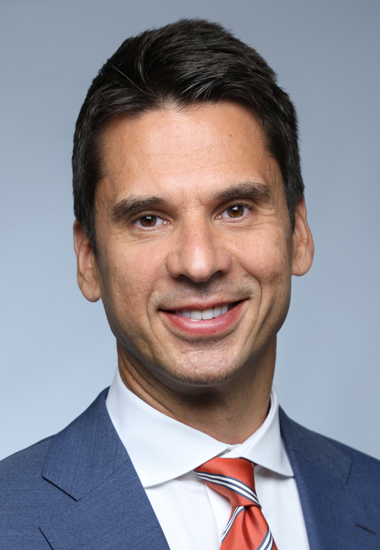
Dr. Vujicic
Show Notes
Resources
[00:00:00] Wright: What are the hot topics and issues that will be shaping dentistry in 2026? I'm Dr. ArNelle Wright.
[00:00:06] Ioannidou: I'm Dr. Effie Ioannidou, and I wish I knew all the hot topics.
[00:00:11] Wright: Yeah, we're going to find them out though.
[00:00:13] Ioannidou: That's exactly right. That's why we are here today, looking at data to look at numbers with our favorite guest.
So let's get started.
[00:00:25] Announcer: From the American Dental Association, this is Dental Sound Bites created for dentists by dentists. Ready? Let's dive right into real talk on dentistry's daily wins and sticky situations.
[00:00:41] Wright: Hello. Hello friends, we are excited to get this episode started and to welcome back Dr. Marko Vujicic, chief Economist and Vice President of the Health Policy Institute at the American Dental Association. Hi Marko. Welcome, welcome.
[00:00:58] Ioannidou: Hello. Hello, Marko.
[00:01:00] Vujicic: Great to see you both and Happy New Year.
[00:01:02] Ioannidou: Yes. Happy New Year.
[00:01:04] Wright: Happy New Year.
[00:01:05] Ioannidou: We are so happy to have you here, and I know that you have been four times, right?
[00:01:10] Wright: He's a frequent flyer.
[00:01:11] Ioannidou: He's a frequent flyer. He is, not only a frequent flyer. We love Marko and our listeners, our listeners love Marko. So we are so glad to have you back.
[00:01:22] Vujicic: Good. I don't always get invited back. This is very special.
[00:01:28] Ioannidou: Yeah. We feel like we invited you back to a party. It's a party.
[00:01:31] Vujicic: Yeah.
[00:01:32] Wright: Yeah. And we gotta give the people what they want.
[00:01:34] Vujicic: Well, we always have a great, great conversation, so.
[00:01:37] Ioannidou: Great conversations, but I just want, first things first, I know that most of our listeners do know you quite well, but for some people that may be tuning in for the first time, so, tell us a little bit about you and your role at the ADA.
[00:01:52] Vujicic: Sure. So, I mean, I'm trained as an economist so no, I'm not a clinician and I lead a wonderful team at the ADA called the Health Policy Institute and we are a think tank. We focus on identifying emerging issues in the dental sector and the dental economy and kind of help elevate those to the leadership of the ADA, so they could address them and we also have significant expertise in various policy areas. Related to the oral healthcare system. So we work closely with our DC office and various councils and leadership within the ADA to kind of bring the evidence and data to help guide decision making.
[00:02:36] Ioannidou: Yeah, that's great.
[00:02:39] Wright: Yeah. Well, we are excited to jump into the chat today, but before we dive deep into the future, and really the now, let's take a minute to look back at the predictions and the trends that you shared with us in 2025. Let's take a listen.
[00:02:56] Vujicic: We asked dentists looking ahead to 2025, what are some of the big things that you're concerned about that keep you up at night?
[00:03:06] Wright: Okay.
[00:03:06] Vujicic: So the top three reasons, have not changed. So, this is not the real exciting part, but the top three reasons remain; staffing shortages are a top concern.
[00:03:18] Wright: Yeah.
[00:03:19] Vujicic: Dealing with insurance, both reimbursement rates, administrative issues was number two, and number three, rising overhead costs. So, in our episode last year, those were the same top three issues when we asked dentists to look ahead, so that that kind of hasn't changed.
What has changed is the level of economic confidence. So, we track, we kind of, we ask dentists like, okay, how confident are you looking ahead in the finances of your practice? The dental sector overall in the US economy at the end of 2024, in December, we saw a big spike in confidence, both in terms of how dentists are feeling about their practice, about dentistry overall as a sector.
Especially the US economy. So, I would say things are different in the sense there's a lot more optimism about economic conditions in dental practices.
[00:04:16] Wright: Okay. That was a good snapshot, so, I want to double click on economic confidence and that spike in that optimism that we saw, at the end of 2024 and that you shared with us in the 2025 episode. So, what do we think of that now? Can you share a little bit about that and like what was spot on for 2025? Let's just start with the economic confidence and any optimism. Does that still remain?
[00:04:46] Vujicic: Oh boy! 12 months. 12 months has brought a lot of change. So, uh, your listeners are the among the first to hear, but we have just recently launched the update of those data, ArNelle, and things basically have fallen back to where they were before I gave that comment a year ago.
So in a nutshell, at the end of last year, we did have this big spike in economic confidence. The successive quarters of this year, starting up back in January. So, I go down big time. So, we are kind of at a situation where what looked like super optimism at the end of last year has now settled down into, I would call a more of a “ho hum” atmosphere. So, just to give you some high-level statistics, currently in our last recent survey a few weeks ago, at the end of 2025, 53% of dentists felt very or somewhat confident in their practice and compared to 12 months prior, that was at 68%, much higher. So, we definitely have some pessimism that crept in, in the span of 2025 for sure.
That's important.
[00:06:03] Wright: Are you gonna share with us what you all have found it to be attributed to?
[00:06:07] Vujicic: Yeah. So when we, and we do that, right? We ask them, hey, you know, knock off, tell us what. For the pessimists, tell us what drives the pessimism. For the optimist, vice versa and we really saw kind of two and a half big things, right? A big one was tariffs, right, and we can talk a bit more about that. The second category was a bit broader, just general economic uncertainty and those two really popped up. And then just the general kind of concern about the leadership of the country and the administration and where things are going, kind of, those were kind of the big three reasons that were driving some of that skepticism, let's say.
So, yeah.
[00:06:48] Wright: I'm going to say one more thing, Dr. Effie, and then you can jump in if you have anything, but I was going to say, it kind of makes sense because 2025 had a lot going on, you know, administration. It makes sense that these are the trends that we're hearing now, but I'm curious to know if this was a surprise to you and your team and some of the, you know, outcomes that you found. Were you all surprised by those?
[00:07:14] Vujicic: Somewhat, I think, and I remember seeing in our episode last year, I thought this optimism would sustain, right? I thought it was a bit more of a reset. At a higher level because we had kind of little bit of easing of staffing shortages.
We had a bounce back in patient volume, but as we get to the conversation a bit later, kind of some of the core challenges that dentists are facing remain. And I think that's something that also is underlying this kind of, I'm gonna call it “ho hum”. Right? It's not a big negative thing. It's not a big positive thing either.
We're kind of in this, low-level equilibrium of, I know, okay, there's a lot going on, there's a lot of uncertainty, there's a lot of, you know? I don't know. Predictions are becoming harder to make, Effie and ArNelle. Just cause things are changing week to week, month to month, right?
[00:08:04] Ioannidou: And to your point, exactly what I wanted to ask you, Marko. How frequently do you get a sense of this pulse and survey the dental community? Is it that you do it once a year, every other month? Or how, how frequent is this data collection?
[00:08:19] Vujicic: We do it quarterly.
[00:08:21] Ioannidou: Quarterly.
[00:08:21] Vujicic: So each quarter, right? So the stats I just gave you a little while ago and where, it was from the fourth quarter of 2025. Which just closed recently, again, so we'll be doing this again in March for this quarter and let me just put a plug. I'll plug again, we're always looking to have more listeners, dentists, um, enroll in our panel. So, a lot of our data comes from surveying and I'm just going to say right out, we're looking for more dentists to kind of be part of this.
We want to get feedback from you, we want to hear what concerns you. So just send an email to HPI@ADA.org. Say, “hey, I'm Marko interested in joining the panel”, and we'll have somebody from the team reach out. So, I'll say this again at the end.
[00:09:07] Wright: Thank you.
[00:09:07] Ioannidou: Yeah, that's really important because I think it's really important for you, I'm sure, to capture different demographics and people in different states and have a little bit more holistic, for sure.
So, looking ahead now, given this date of the last quarter of 2025, and looking ahead. Into 2026, what are the trends that you are, expecting and anticipating to see, like, again, given this baseline?
[00:09:35] Vujicic: Great. So let me first start by sharing what the dentist said about 2026, and then I'll give you a little bit more about my broader view of where the dental economy's going.
[00:09:46] Wright: Sure.
[00:09:46] Vujicic: Um, cause there's a lot of really interesting stuff coming out from the dentists, right? That we're monitor surveying and getting their insights out there in the field. So, we asked two big questions related to 2026. One is, what do you see as the biggest challenges on the coming up in the next year?
Right, and look, we've done I think, four episodes. This is our fourth. All we're doing is switching the order of the top three challenges. So, they're, they seem pretty consistent and this year the top one was insurance issues. So reimbursement rates being low, administrative hassles with insurers being high. So, anything related to third-party-payer reimbursement was top issue, top challenge number one.
Second one was staffing issues shortages, again. So, and then the third one was overhead costs. So, you see kind of those three are always in the top three.
The order sometimes changes and they're largely supported by the broader data, right? So, with insurance issues, we know that reimbursement rates from third party payers, from private dental insurers are rising slower than inflation and much slower than practice costs, wages of staff and equipment and supply indexes, right?
So that kind of supports that issue. Staffing, despite having the highest level of graduates from dental hygiene programs, and despite three steady months of adding jobs into the dental sector, we have not seen much budge in terms of how dentists report how hard it is to recruit and hire people. So, I remember we talked, like, I think I had predicted that we're going to start seeing an easing of the staffing shortages as the pipeline accelerates, et cetera.
The pipeline has adjusted a little bit, finally, but we're not seeing any big changes really. It's still 90% of practices report, it's very or extremely challenging to hire hygienists, and that's been pretty steady. So, the staffing issues are definitely real. And again, overhead costs relate to the issue that look, the supply side, the expense side of dental practice ledger, honestly, like, it's rising. The prices are rising faster than the revenue side prices, which is reimbursement, right? So, we do have this kind of fiscal squeeze and again, that's not new, right? I talked about it last time, the three of us talked about it the year before. So, those are kind of the top three challenges and it's pretty consistent across dentist demographics, right?
When we look, let's say rural, urban, maybe the staffing goes to number one versus insurance, but there's no real big changes when we look at small groups, versus solo, versus DSOs. Again, roughly similar set of challenges. It's quite a consistent story.
[00:12:47] Ioannidou: It blows my mind, the insurance reimbursement.
I kind of understand, especially with the recent changes, but what blows my mind is the staffing.
[00:13:00] Vujicic: Yeah.
[00:13:00] Ioannidou: I, the consistency of this as a factor that keeps the, our dental community up at night, and as you said, the pipeline is adjusting, we have more, uh,
[00:13:12] Wright: Like opportunities.
[00:13:14] Ioannidou: hygienist and opportunities out there. The, you know, it's so difficult.
[00:13:19] Vujicic: Again, and that's something again, we, we monitor that, we track a lot of data sources and like I said, I think the pipeline is finally adjusted. Maybe it takes a bit more time.
[00:13:30] Wright: Yeah.
[00:13:30] Vujicic: A few more years, months, quarters, I don't know, but as we get to, in a sec, maybe. I know we talked last year too, and we'll talk a bit a bit about, you know, like, okay, if there is going to be a persistent labor shortage, you know, how do you address this?
Like, is it, you know, is there gonna be a ramp up of non-human technology or support? I know you're, you know, you're both dentists and certainly can talk about this, but you know, there's a limit to how much. You know, computers can do in a dental practice, right? At the end it's a very hands-on labor intensive type of industry.
The other thing I wanted to say, the second question was directly asking practices about their intentions, okay? In the next 12 months, this is really important too.
[00:14:18] Wright: Is this a new question, Marko? Sorry to interrupt.
[00:14:21] Vujicic: No, we ask this usually. I, again, I don't know if it's at the end of every year, we ask it periodically. But we will ask it at the end of every year from now on, but when we look ahead to 2026, and I think a lot of stakeholders, this is really kind of vital information. Like, okay, what are you intending to do? You've told us the challenges, but what are kind of some of the reactions or behavior changes that practices are going to do and they intend to hire?
There's definitely going to be, still, strong demand to hire staff.
[00:14:51] Wright: Mm-hmm.
[00:14:52] Vujicic: Really, up there with number two was dropping out of insurance networks. So, I think we're seeing a growing momentum and this popped up, but I don't think it was number two last year on the list of things. So I think it crept up higher, this idea of, okay, I'm going to drop out of some networks.
This doesn't make sense anymore, just the economics of it, given the fiscal squeeze and then the third big thing that popped up was making investments in equipment and technology and software. Now we don't know the details of that, we've been exploring doing a little bit more deep dive research into the market.
Like, what do you mean? Do you mean going digital? Do you mean front office administrative support automation? Do you mean, you know, CAD/CAM and that kind of thing? So we may explore that in a little bit of detail, but there is some intentions on investments, right? Which is a good sign, right, in terms of improving efficiency and kind of addressing maybe even some of the staffing shortages through investments.
So again, to recap, intentions, adding staff, dropping out of insurance networks, and investing in equipment technology and software.
[00:16:00] Wright: Marko at the time when we recorded last time, I had a different perspective because I was still an associate. I've since then acquired a practice.
[00:16:11] Vujicic: Hey, congrats.
[00:16:12] Wright: Thank you.
So, some of the things that you're talking about, I've already considered, and at the time that we're recording this, it's only been, it's less than a year that I've been an owner and so I have even thought about, okay, how can I incorporate some AI into the administrative side of the practice? Because to your point, of some of the staffing shortages, like, I just need to have a little bit more support. But then those things also come with a cost too, that I'm like, ah, it's a little too early for me to be making all of these big investments, you know? So that's something that I have to, you know, I guess navigate, but balance.
I would be interested in you know, looking into the survey. Maybe I need a little bit more time to really have a strong perspective because I've only been an owner for such a short period of time, but, so some of this stuff is going to be applying to me more, like more closely, is what I'm saying in coming years.
[00:17:10] Vujicic: You know, ArNelle. Let's talk about, cause I know last year, and you and I have talked offline about practice ownership trends and this is something, okay, you didn't ask me, but I'll tell you some of the highlights of HPI research last year. One of the big things is we released a report looking at practice ownership trends, and we called it, “A New Look at All Data”.
Because we looked at things a little differently. Look, just high level, really important caveat on what's going on with practice ownership. What this paper showed was that yes, if you look at dentists in early career stages, absolutely you see the likelihood of owning a practice is way lower now than it was 20, 30 years ago for dentists that were early in their career, but when we were able to parse out the data and look at it a little differently, we found that, you know what, by the time people get to the end of their career, most are owning anyway, regardless of whether they graduated 10 years ago, 20 years ago, 30 years ago.
So, and I know ArNelle, you were, you were asking me this question too, is, hey, is this just like ownership is being delayed a long time? Or is it just being replaced permanently?
[00:18:23] Wright: Yeah.
[00:18:23] Vujicic: And the research we've showed pretty convincingly is that it looks like it's just a long, long delay.
[00:18:29] Wright: Yeah. It happens a little later, right?
[00:18:31] Vujicic: It happens later. Right. Now that has implications, right? And you're living that, right? You're, but it, so our conclusion is kind of the early career phase for newer grads. It's just really, really different than it was 20, 30 years ago. Really different.
[00:18:47] Ioannidou: Why do you think this is?
I am really interested because, you know, in my world, being in academic dentistry, I want to be able to equip our dental students and residents as they are, you know, ready to exit and go into the real world, right? So, I'm very curious to know why do you think Marko, the early career dentist delay, make this decision to delay ownership?
[00:19:16] Vujicic: Look, maybe I, we don't have a lot of strong, there's hypotheses, and this is something in 2026 we're gonna look at much more rigorously, right?
But look, yeah, everybody talks about the debt issue, right? And we've talked, and again, the research to me, this is just me reflecting on the research, suggest that that's not the main player here. There's, there's other things. I mean, there's the change in, you know, mobility of dentists and young dentists. Again, in the household marrying other young professionals that maybe, you know, financially, you don't want to really block in right away. I know ArNelle, you have so much perspective on this personally too, it's kind of like, okay, there's uncertainty and I don't know if I want to do this and do I want to do it here?
Do I want to do it in North Carolina? I want to do it somewhere else. Have I met the right fit of practices? And I think what's also changing is I think the ownership opportunities themselves are diversifying. It's not just like, oh, I start as an associate and I end up as a joint owner, and then I take over the practice group practices are kind of, many of them becoming like law firms, right?
Like you would get a partner stake or you have partial equity among, you know, with another 50 dentists. So I don't know. I think there's a lot going on and, and we want to look into this research-wise much, much more. But I think it's a combination of those factors, but I don't know.
[00:20:43] Ioannidou: Oh, no, I completely, I agree and I agree.
I mean, again, you're right. It's a hypothesis. We speculate and we try to interpret data. I completely agree with your, the first, I mean, with all the reasons, but certainly with the debt. I would like to add one more. I, and again, I'm not an expert. I'm not an economist, but from what I see in the dental and medical field, perhaps the philosophy and the culture, the life culture has changed.
People, the new generation sees life a little bit differently and prioritizes different things. My generation, people in, you know, that are X, I don't know what I am, the people that are in their fifties. Anyway, let me talk with decades, we grew up, many of us grew up, you know, outside this country came with a different mentality there, you know, different work ethic and you know, the sense of sacrificing everything for work, right? And the financial independence and financial wellbeing I think I see from recent graduates and more junior people in academia, but also in practice that they prioritize wellbeing and work life balance differently and see life differently.
And I kind of, I appreciate this. I think that's, that shows some wisdom.
[00:22:13] Vujicic: No, I was going to say that in the research is definitely a factor too. I didn't mention 'em, but ArNelle.
[00:22:17] Wright: Well, I was just going to say, I think this ties into all of the wellness and wellbeing conversations that are being had more frequently now, too.
Definitely early career dentists, I see it online all the time, my peers, they're like, nope, I just want to travel, I want to be, you know, on that flight. You know, I want to come into work, clock out, clock in, you know, I kind of don't want to be tied down. Even when I was making my transition, some of the leaders within the company were like, what? You're going to have, you're going to be married to that place? And I was just like, I'm like an older millennial, so I actually kind of want to be married to it. Like, it gives me the freedom and the autonomy and, you know, so I'm not really that one that's like, always has to be like flying here and there, like on a trip traveling per se.
I do appreciate my wellness and my peace and all of those things, but for me, like the reasons were a little bit different because I'm like first generation in my family and you know, I was like, this is like a legacy move. I have kids, you know, I went to dental school a lot older, I was in my thirties, you know, like when I graduated I just turned 30, but yeah, so just some of those things, but definitely to both of your points, I think just the, there's just a generational difference altogether.
[00:23:38] Ioannidou: A hundred percent.
[00:23:39] Vujicic: And then, the last kind of interesting thing, cause I know we talked about this in most of our episodes right?
Was just what's going on in terms of kind of the gender split.
[00:23:49] Ioannidou: Oh, okay. Yeah, give it to me.
[00:23:51] Wright: Dr. Effie perked up.
[00:23:53] Vujicic: Yeah, cause there's always new data that you love to kind of peruse from HPI, of course, but so we talked about kind of that generational shift happening in the profession with baby boomer dentists slowly kind of retiring out and they're a big cohort, right? And then now Gen X and millennials, et cetera, are becoming kind of the face of dentistry, right?
With that comes this big shift. So 50, 57% of last fall's incoming class in dental schools were women and it's very interesting the ownership patterns I want to highlight, and I also want to highlight hours worked data.
[00:24:35] Wright: Oh, this is good.
[00:24:36] Vujicic: So, when we look at ownership patterns, right, there definitely is a difference between the likelihood of a male dentist owning and the likelihood of a female dentist owning. But those patterns across time and career are the same for men and women. Which means what? Yes, women will start at a lower ownership rate in their early career, and they'll catch up to previous cohorts of women who graduated 20 years ago. It's still lower than a male, but the point is, over time, everybody's kind of catching up and eventually owning. The more important thing I wanted to share was our new data showed that female dentists now on average work 98% of the hours that male dentists do.
Which is a huge, huge narrowing and a shrinking of that gender gap in hours worked. And I just like to hear kind of from the street or from the front lines, if that jives, because 20 years ago it wasn't like that. It was a much bigger gap.
[00:25:33] Wright: Yeah.
[00:25:33] Vujicic: So it's kind of like all these differences and remember like all the concerns about, oh, more women come out, but there are, let's say there are three quarters of a full-time person versus.
[00:25:43] Wright: Yep.
[00:25:44] Vujicic: And it, the data don't support that. It's kind of like the work effort is literally almost now closed and identical. It's a 2% difference. So.
[00:25:53] Ioannidou: No, I really love this data because it answers to the criticism of the feminization of dentistry, right? Two years ago, from 10 years ago, 15 years ago, that, oh my god, women are taking over and they would close the practice at two o'clock.
[00:26:06] Wright: I know they're not going to be at work.
[00:26:10] Vujicic: 2% difference.
[00:26:11] Ioannidou: Yeah. And we see the same thing in academia. We see a trend of more women entering academia and more women staying. As you know, in the past, most of the women were, they were in a cluster in the very junior ranks and then there was attrition and nobody ever developed. Right now it's a little bit more steadier and certainly more positive. I am impressed to see that, you know, there are even dental graduates that are considering.
[00:26:44] Vujicic: Academia?
[00:26:44] Ioannidou: Academic career, which I find refreshing. Yeah, I find refreshing, but you know, I just want to make you. Laugh and just an intermission, uh, in our discussion as we were.
I'm ready. Talking about, um, AI and digital dentistry, you made me think about, and I just want to give you a reality, uh, touch, uh, um, I know ArNelle may have heard me saying this in the past, Marko. There is a, a billboard at gigantic billboard in the um. Uh, in downtown San Francisco. And, you know, San Francisco is, you know, the Bay Area is really heavy on artificial intelligence, but, um, so there is a huge billboard that says that reads, do not hire a human.
[00:27:31] Vujicic: Wow. Okay.
[00:27:32] Ioannidou: Right. So, so just to give you a little bit of the perspective and perhaps where we might be going, even in biomedical care and services. I mean, I hear you about the technology and software, but the thing that I, it popped into my mind is that all the opportunities that will be offered soon to the practices as to how to replace, uh, human label.
[00:28:02] Wright: Or maybe to support.
[00:28:03] Vujicic: Yeah, replace, and again, this is well out of my expertise here. It doesn't stop us, right? No, but the whole replace versus augment. I think, I think it's more, you know, and it's not my quote, but I use it all the time, right. It's not that AI will replace medical practitioners, medical practitioners using AI.
Will replace medical practitioners not using ai. That's kind of, to me more. Good point. Good point. More where, where the future lies. And again, ArNelle and because you're, you know, you're in practice. I, I'm fascinating to hear like, cause I think there's obviously the automated radiograph reading, which is like been the huge first foray right.
Of AI into, mm-hmm. Into clinical dentistry. Um, in theory you can. Load all the scientific evidence and ADA clinical guidelines into an ai and presumably help with kind of treatment, planning the next step, right? A hundred percent. Or clinical and, and come up with some decision aid tools there. And then you mentioned kind of the administrative part.
[00:29:06] Wright: Yes.
[00:29:06] Vujicic: Like everything, appointment, booking, recall,
[00:29:09] Wright: texting, confirming,
[00:29:10] Vujicic: insurance verification,
[00:29:11] Wright: all of it,
[00:29:12] Vujicic: all that automated, uh, you know, all the billing and payment.
Mm-hmm.
I don't know. Where do you see the biggest next move in those three areas, like clinical, administrative?
[00:29:26] Wright: I feel like people are going to lean way heavy on the clinical side, so.
[00:29:30] Vujicic: Yeah?
[00:29:30] Wright: Uh oh. Yes, definitely because it makes everything more efficient. Um, it helps move like the appointments along. And quite frankly what I'm seeing in my practice is my patients who are like with the times, they also want to be in a practice that is utilizing more advanced technology too. So it's kind of like if you are feeling a little archaic, like if we have any blip in our technology throughout the day, it's like everybody gets like the jitters.
Cause we're like, oh my gosh, we have the, these particular patients that are coming in, we want to keep. The day going. Um, and so I feel like it's definitely going to be on the clinical side because, so the practice that I purchased, it was a pretty older practice. Like there was not very much technology at all.
So we had lots of ups and downs. Um, I mean, within the first six months there was always something that was breaking. And although it was frustrating, it was really good to see the patients. You know, take a liking to the fact that we had the technology to begin with because they were like, oh wow, I've never seen this before and I've been coming here for X amount of years.
You know what I mean? So it's really good to see them like buy into it and they actually understand that there's a big shift that has happened and they actually, they, they appreciate the technology that we have. So I think that. I think the clinical side is going to be number one because administratively like some of those confirming and those things have been around for a while, but I think that it's just more, um, evident that offices are utilizing it and, and now it's coupled with a name like ai, you know, and everybody's like using the same terminology.
So
[00:31:07] Ioannidou: yeah,
[00:31:08] Wright: I think it's going to move toward clinical for sure.
[00:31:11] Vujicic: Okay.
[00:31:12] Ioannidou: We will be right back.
[00:31:14] Announcer Ad 1: Need CE credits? Get instant access to courses on implantology sedation coding and more With an ADA CE online subscription, you will have more than 300 on-demand courses at your fingertips. Any day, anytime, anywhere. Sign up for your subscription today CE@ADA.org.
Announcer Ad 2: Did you know that ADA members are making a big impact on dentistry? Together we are fighting for community water fluoridation, advocating to improve access to care, pushing for dental insurance reform, working to ease the student debt burden and driving workforce improvements, but we can't do it without you. Our unified voice is critical in driving real change. Help us advance the future of dentistry by renewing your membership for 2026 at ADA.org/renew or by becoming a member at ADA.org/join.
[00:32:19] Ioannidou: Welcome back to Dental Sound Bites. Today we are talking about the hot topics and issues shaping dentistry in 2026 with Dr. Marko Vujicic.
[00:32:29] Vujicic: We started the conversation with 2026. What do we see is coming? We, we started with kind of what came out of the survey. A few weeks ago, at the end of 2025, and I reflected what the, what the dentists were telling us. And then if we just broaden it a bit to kind of some of where, where I also see some, some, you know, challenges and opportunities.
Right? For sure.
Yeah.
I think we're in a time where US healthcare policy is probably more volatile than it's ever been in the last 60 years. Right. Um, and I'm not saying good or bad, right? That's just an observation disclaimer. Um, no, it's important, right? Because it, it honestly, it brings opportunities that we haven't had absolutely before.
Absolutely. Which I'll talk about in a second. But it also brings things like. Last year when we were talking here, we were talking about fluoride and, and kind of how the ADA's really had to muster resources at the state level, federal level to really try to combat, I don’t know, the war on fluoride or what, what, what, you know, fluoride being seen as a, as a poison, right?
Yeah. Medicaid. Right. Medicaid took some significant hits. It's continued under threat. We didn't foresee that. Right, even, even several months ago. And obviously there's a big element there with coverage for, for dental care services. So I think there's a lot of volatility of things we can't, we're not even aware of that potentially may be coming up right.
At the same time, I do want to highlight some opportunities. I think kind of the Make America healthy again, agenda related to wellness, obesity, and healthy aging. Right? I think. Again, no opinions here on good or bad, but as an analyst, I'm like, when we start talking about how to make aging healthy and how to keep people mobile and how to manage chronic diseases, again, in my view as a policy person, I feel that's presenting new opportunities for oral health, right?
Like we know oral health linked with dementia. Right. We know it's linked with heart disease. We know it's linked with a whole bunch of others. So it's kind of like if you want to stay healthy and live a long, productive life, like managing inflammation in the mouth is, to me a huge entry point. And that's something the ADA in our DC office is really exploring, right?
So I think whatever one thinks of the current policies, I think it's really important to step back and think about, okay, where can we recast the value of oral health? And just one example of like HPI. So when, when, when the, the, the, the fluoride band in Utah happened, right. And when it was talking about in several other states, and then Florida was the next one.
Right. We quickly put together an analysis, not of the clinical impact. But of the economic impact of removing fluoride from community water systems. And it's a big one, it's a negative economic impact. Um, same thing with Medicaid, right? You want to cut adult dental coverage and Medicaid programs. Okay, whatever.
But be, be cognizant of the fact, and we did some very quick modeling. This is not good for your economy. It. We'll put more people out of work because we know improved oral health leads to better job prospects. Um, it also will raise hospital costs because we know that when you take away adult dental coverage, more people go to the emergency room.
Uh, low-income adults, more of them go to the emergency room. Which is wasteful. Um, and it's been really satisfying from the researcher side, from my team's perspective, that a lot of this economic data has really had an impact at the state level. Like it's, it's something that honestly, the fiscal folks. It influences them, right?
So I think I'm just really proud that the team, like we've been super agile and we've been able to kind of do analysis on the fly that really can kind of help decision makers. So, you know, I told the team, I'm, look, we have no clue what we're going to be dealing with in the next three months, six months.
Just be prepared. Like, we got to be nimble, we got to address the needs of our state partners. Um, and definitely kind of really get the data out there in a much quicker way. So, I didn't mean to go on a tangent, but.
[00:36:42] Wright: No, that looks great.
[00:36:43] Vujicic: But I think there's, I think there's a lot of, it's great. A lot of opportunities that we're trying to see.
And again, there's a lot of threats and challenges too, um, that we need to respond to in, in different ways potentially.
[00:36:54] Ioannidou: And it connects well. Uh, with my question, actually, I was planning to ask you this. What, what, what do you think, what are the, uh, legislative changes or decisions that, uh, you think that made the biggest impact, uh, in in this past year?
[00:37:09] Vujicic: Well, that's a good one. Uh, the past year, so there's. I mean, I'll talk kind of for oral health. Again, I, I think the signaling of, of the fluoride now, it's, it's not many states and thankfully. We've been, and I'll express my opinion here 'cause the evidence is pretty clear. Um, you know, thankfully we've been able to push back and, you know, states that we're considering banning it, have not.
Um, so I think the ad, and that's not HPI, that's the, the ad advocacy team, which has been absolutely first rate. Um, and, and hats off to them. Um, but I, I think some of the potential reforms to the Affordable Care Act. Um, not just kind of the, the clawing back of subsidies and we'll see where that goes.
Right. They, they decided to just let them expire. Um, but we know that kind of policy, adult dental coverage policy and kind of. Whether oral health is treated as essential, these are really, really important tipping points as we go ahead. So I feel they're fragile and I feel like it could go either way. Um, but I think this idea of oral health being essential was recognized.
And then now with kind of the way the ACA acts are going and the way Medicaid reform is going, I think there's a potential big threat that oral health will be deprioritized. Um. And not just in coverage, but like in research funding as well. So I think that's a whole kind of. New set of work that the advocacy team is working on and trying to prevent, right?
[00:38:45] Wright: Yeah. Yeah.
[00:38:45] Vujicic: Because we don't want to lose the gains we made. Um, so definitely those are kind of some of the big things that even in the, just in the last few months have popped up, that I really think are important, especially how the Affordable Care Act kind of rollbacks are going. A couple of other important things that came out of HPI this year, right.
We've been graduating more and more dentists for 20 years, right? We know that it, the dental, the dentist population has grown faster than the US population, right? So in the last few years it's stabilized, but there's more long term, more dentists per person, right? Not in rural areas at all. That has, if anything, gone down.
Right. So all that increased supply has really gone to urban areas, and the share of dentists in Medicaid, for example, has been pretty stable. Um, and so to your point, I don't know, there's a bigger question of is the workforce being trained and more and more of them being trained kind of. Yeah. Does it have a role in, in kind of the access challenges now?
I would argue the access challenges are really rooted in bad policy.
[00:39:58] Ioannidou: Oh yeah.
[00:39:58] Vujicic: Not covering services, you know, Medicaid with all sorts of reimbursement challenges, really low fees, et cetera. Um, you know, the rural areas. To be very frank, like I'm an economist, right? I mean there, there are pluses and minuses of everything, but a lot more younger, highly educated professionals that have the whole work life balance you both talked about.
The equation is changing for where you want to plant roots even though it's very financially lucrative to be in rural areas. Right. Um, so I think, I don't know, there's so much rich research we want to do to help kind of figure out like, how do we tackle these challenges? How would you get many more dentists into Medicaid?
I think there's clear policy changes that need to happen. It's not like. The workforce's fault. I want to be very clear, right? Yeah,
[00:40:48] Wright: yeah.
[00:40:48] Vujicic: So, but at the same time, like, okay, let's do that if, if you can't be healthy without oral health, right? And if oral health is key to wellbeing and healthy aging, come on.
Let's get those policies right.
[00:41:01] Ioannidou: You know, it's interesting you say that because I think also our students and our, our curriculum doesn't include training, economical training, economic training or industry. I mean, um, insurance related, third party reimbursement training, right? People go naive into the workforce.
My daughter, who is, in college, uh, but. The, you would like this Marko, major in health policy. So, you know, again, in college, just graduating. She's a senior this year and graduating. She wrote a very good, great paper. I think, in my opinion. Uh, I, I, it blew my mind actually. I'm like, oh my God. This is, this has to be published in a dental journal.
[00:41:43] Vujicic: Nice.
[00:41:43] Ioannidou: About policy and the, uh, oral medical connection. This was inspired by me. I just gave her an idea and she just, uh, you know, ran with it. Uh, but you know, she had a trip in the summer, um, uh, study abroad in Mexico and Cuba, and got inspired by the, by the level of care that she saw there, especially in Cuba, and came back and, you know, and.
Thought through and put this policy paper together and I'm like, uh, grateful you got an a plus. But, um, but I thought it's interesting and I thought that this is what our students need. They need to have a good understanding. You know, they, I always say they enter dental school super smart and they graduate in dog.
Just keep doing this because, you know, I, I have been doing it in practice, so follow me. So I, our students need to have this, uh, understanding they need to, they, I think they need to have a better knowledge of policy. They need to have a better knowledge of, um, uh, economics in, in dental economics and med, uh, you know, biomedical economics in dental school.
[00:42:48] Vujicic: I love you raised this issue. cause I think there's actually a much bigger. Fundamental question about the identity of the profession. That's underneath your, your, your great story Effie, and it's this. You can have two schools of thought. You can say, wow, that's all getting complicated. The nonclinical part.
Forget about that. You're going to be a clinician, you're going to do the clinical work. Somebody else will manage the insurance, somebody will do the HR, somebody will do the facilities management, et cetera. Don't worry about that. So that's kind of the physicians, how they've gone, right?
[00:43:24] Ioannidou: Yep. Yeah.
[00:43:25] Vujicic: And pharmacists in different professions.
The other side is, wait, you better train the clinicians much more in this because they're going to be doing it and they should be doing it, and our profession should stay that way again. I don't have an opinion on that, but there are two fundamentally different roads and I just observed people are really passionate about those, right?
[00:43:44] Ioannidou: Yeah, for sure.
[00:43:45] Vujicic: Like if you're, if part of your identity is no, you're not a nine to five clinician and that's it. You clock in, you clock out. No, you must, you must shovel the snow and you must. You must hire and fire. Yeah. And you must help with the insurance contracts. Right. I'm just picking some examples.
You know what I mean?
Right. No, I, you're absolutely right.
[00:44:04] Wright: This is what I face every day.
[00:44:05] Vujicic: But where did, I don't know. It's a, it's, but that's a big, big fork in the road. Right. And I feel like that's some of the angst with the future of the profession. Right. Is that, that those are very different paths.
[00:44:16] Ioannidou: Yeah,
[00:44:17] Wright: yeah.
Yeah.
[00:44:18] Vujicic: I think there's room for everybody, in my opinion.
[00:44:20] Wright: Absolutely. Absolutely. Yeah. Because we we're not all like the same, you know what I mean? Right. We all have different preferences too.
[00:44:26] Vujicic: And obviously ownership is a big goal. We see that in the research. We see it in the stats I gave you earlier, the end game, right?
[00:44:32] Wright: Yeah.
[00:44:33] Vujicic: You may take longer to get there, but it seems to be one of the key tenets and desires of, of people going into the profession.
[00:44:40] Wright: And we sometimes get to experience both like I did, you know?
[00:44:43] Ioannidou: That's right.
[00:44:44] Vujicic: Yeah.
[00:44:45] Wright: So, yeah, this has been such a good conversation. We're not going to ingest yet. We're almost going to wrap.
But I would love for us to transition, excuse me, into talking about what the Health Policy Institute is working on next.
[00:44:59] Vujicic: Great.
[00:44:59] Wright: Give us the scoop.
[00:45:01] Vujicic: So a couple things, right? So obviously we continue to roll on what we call these emerging issues. Right, including this quarterly tracking. And that's obviously, as I mentioned, become more and more vital.
cause there's a lot of uncertainty and volatility, right? So tracking emerging issues, being super responsive on things like the fluoride and the Medicaid cuts, et cetera. Who knows what'll come in the next quarter. So it's definitely that we have a big research program related to dental insurance policy and regulation, and one of the things we're coming out with in the next couple months.
Is an analysis of, you may have heard of DLR Dental Loss Ratio, which is a requirement that insurers pay out a certain amount in care that they collect in revenue via claims. And there's more states that have put in regulations not to get wonky. But we're, we, we've done the first impact analysis of this, so we're going to show like, well, what's it done to reimbursement, what's it done to service mix, et cetera.
But that's a big one that we're tracking in the last areas. We haven't talked tonight, um, about this or today. Uh, but on Medicare Advantage, we have. A, a research program just because it's becoming such an important part of Medicare. The majority are in now Medicare advantage of people that are eligible for Medicare.
Um, and not to go into too many details there, there's a lot of changes happening related to oral health in that space. Uh, and there's not a lot of really good research on it. So we're we, we want to put. You know, a little bit of landscaping, uh, in that area because it's going to be, be increasingly become a policy debate.
Um, so we want to get the best data and evidence so people can kind of use that for decision making. So those are a few things.
[00:46:41] Ioannidou: You guys are doing. Great, you inspire me all the time. You're doing great work and I really, no, it's true. And you know, we are lucky enough to have the interaction with you directly.
Very direct interaction, both ArNelle and I. But tell me a little bit, what is the best way for the dental professionals and our listeners to stay updated on the great, the latest strengths and whatever you guys develop, in the Health Policy Institute, but in the field at large.
[00:47:16] Vujicic: So two ways I would suggest if you go to ADA.org/HPI. There's a way right there to sign up to our research newsletter and get notifications as things are coming off the presses. Right? Uh, another way is, honestly, I use LinkedIn a lot, so if you want to follow me on LinkedIn, Marko Vujicic, there's, I think only one of me.
But that's a great way we, I post our stuff as it's released there and I also want to give an invite. We're looking for more and more dentists to join our research panel. You see how valuable the data are, but we don't get this without the participation and the insights from dentists on the ground.
So if you want to just directly shoot us an email HPI@ADA.org, just say, heard about the panel, tell me more. We'll help you get enrolled cause we really, really benefit from insights from the front line.
[00:48:14] Ioannidou: Yeah, that's great. So listeners, don't hesitate, just shoot an email. We don't bite.
[00:48:19] Wright: Run, run. Don't walk.
[00:48:21] Ioannidou: Yes, just run. Let's do it. Let's do it.
[00:48:24] Wright: Oh man. This is so good.
[00:48:26] Ioannidou: Listen, Marko. Thank you. This was amazing. Yes, as usual. As usual.
[00:48:32] Vujicic: Thank you. It's always so great to chat and to riff and to exchange ideas with you. Honestly, it's so Thank you for having me.
[00:48:39] Ioannidou: It's refreshing. Yeah, it's refreshing.
[00:48:42] Wright: We, we always could talk on and on and on.
I bet you know about all of the things that we. That's going on in dentistry.
[00:48:48] Ioannidou: We, and we learn so much. I learn and I get inspired. I want to go, you know, I go, I want to go on Monday and change the entire curriculum and bring health policy and then just like, you know, but of course.
[00:48:58] Wright: It's easy to get sucked into it, to be honest with you.
[00:49:01] Ioannidou: It's, it's, and you know, we don't even, we didn't even talk about the tariffs, but I mean, FYI, which is, I think there is something important, but, , you know, next time, so much. Next time,
[00:49:11] Vujicic: Next time, we'll have much more, better data.
[00:49:13] Ioannidou: Yes. Yes, for sure. We have more. Yeah, you're right. We will have more data.
[00:49:17] Vujicic: It's too early to tell.
[00:49:19] Ioannidou: Yes,
[00:49:19] Vujicic: That's the punchline.
[00:49:20] Ioannidou: That's right.
[00:49:23] Announcer: On the next Dental Sound Bites,
[00:49:25] Ioannidou: We are talking about the second set of the latest recommendation for radiation safety and patient selection.
[00:49:31] Benavides: We should stay away from anything that is routine, right? Or anything that is this is the protocol. We're just going to follow that protocol for every single patient. This is the way we've always done it. Yes, because we're all different.
[00:49:46] Ioannidou: I love this. I'm going to make a t-shirt out of this.
[00:49:53] Wright: Well, thank you so much for joining us today, Marko, is there anything else that you'd like to add that we didn't get to cover?
[00:50:00] Vujicic: No, it's been a pleasure. These are the highlights and hopefully talk soon.
[00:50:04] Wright: Yes. Thank you, Marko.
[00:50:06] Ioannidou: Thank you, Marko. Thank you.
[00:50:08] Wright: A reminder that we will have all of the resources and information mentioned in this episode.
There'll be linked in the show notes on ADA.org/podcast. And if you like this episode, share it with a friend, then be sure to follow us on all of ADA social media channels and hit subscribe wherever you listen so that you never miss an episode. You can also rate this episode or write a review because you all know that helps more people find our show and we want to continue growing our show.
[00:50:40] Ioannidou: Goodbye.
[00:50:41] Wright: Bye.
[00:50:43] Announcer: Thank you for joining us. Dental Sound Bites is an American Dental Association podcast. You can also find this show resources and more on the ADA member app and online at ADA.org/podcast.
The views and opinions expressed in this program are those of the speakers and do not necessarily reflect the views or positions of the American Dental Association.